What is Montessori Learning Center?
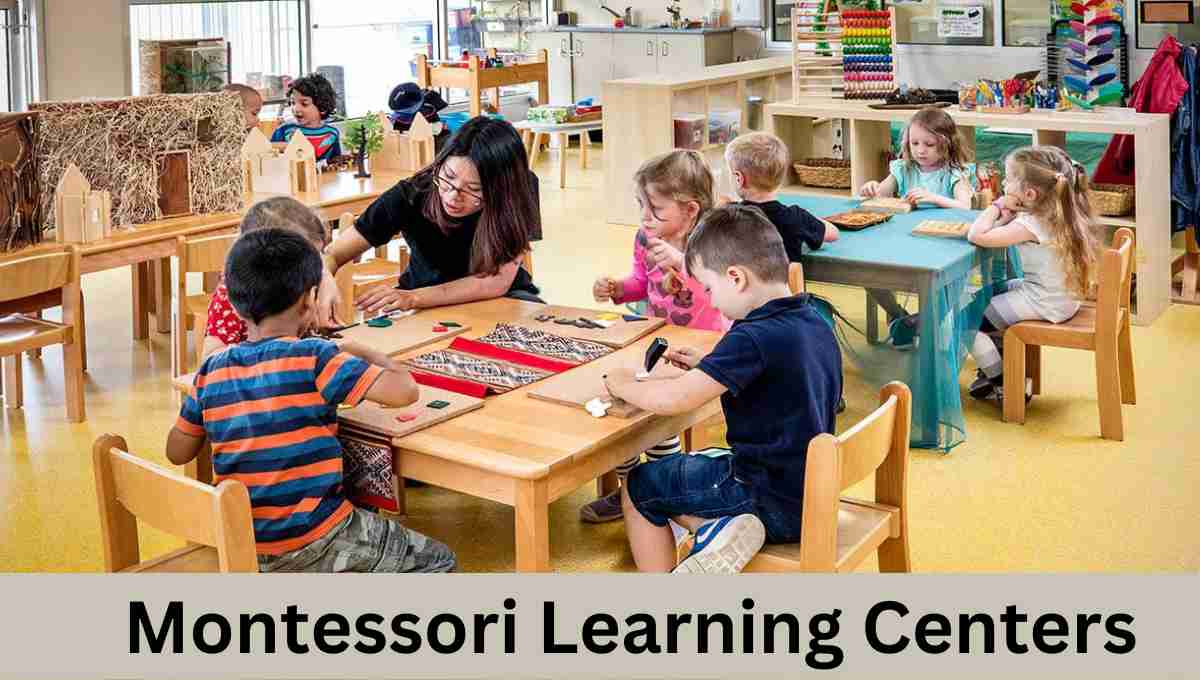
The Montessori classroom is divided into five special areas, called Montessori learning centers. Montessori learning centers are equipped with interesting and joyful learning materials. Students visit Montessori learning centers and choose activities according to their interests. The teacher changes these materials according to the student’s needs and interest to keep them motivated.
A Unique Montessori Learning Center Approach
Montessori classrooms are special and different. They have a unique way of teaching. The teacher doesn’t decide what to teach each day. In the Montessori Learning Center, kids choose what they want to learn every day. The teacher doesn’t say, “Today, everyone will do math.” Instead, each child picks what they’re interested in. This makes Montessori learning special and unique.
In regular schools, teachers decide what everyone will learn each day. All the students in the class, who are usually the same age, follow a fixed plan. They do the same activities together, like worksheets or reading. All traditional schools teach in the same way.
Montessori Learning Center Cover 5 Aspects of Learning
The following 5 are the different aspects of learning in the Montessori Learning Center.
🌍 More Available Jobs


- Practical Life
- Sensorial
- Language
- Mathematics
- Cultural
Practical Life
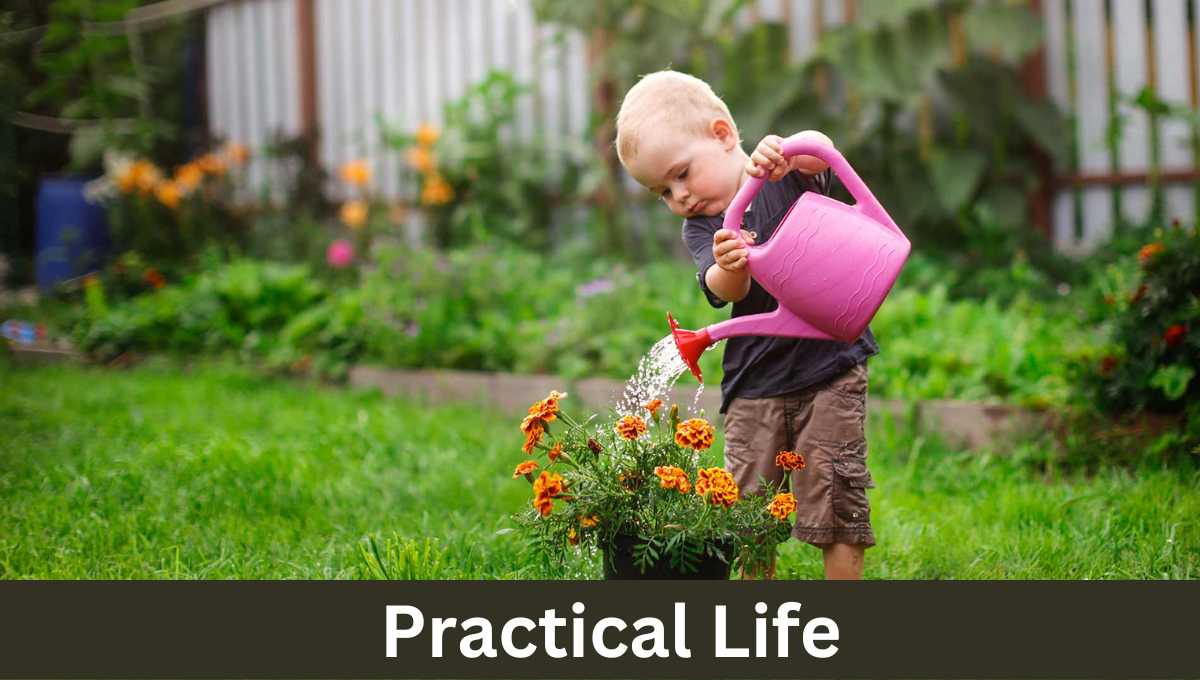
Exercises of practical exercises (EPL) are those simple daily actions that are normally performed by adults in the environment. These actions are real and are done in real situations. The adults perform these activities for maintaining and restoring proper living conditions. There is no limit to the execution of practical life exercises in the Montessori house of children. Children do these EPL exercises during early years in the prepared environment.
Benefits of EPL Exercises
You will understand the importance of EPL exercises by the following ten benefits.
- For independence
- For developing love for Wok
- For avoiding personality disorder
- For developing Love of the “Universe”
- For Perfection of Movement
- For Normalization of the Child
- For Learning to Give and Take Help Gracefully
- For Making the World a Better, Organized, and Tidier Place
- For Happiness, Self-Satisfaction, and Self-Respect
- For passing on good work habits to the next generations
Groups of EPL Exercises
EPL exercises are divided into 4 groups.
🌍 More Available Jobs
Montessori Line Scholarship Notification
Never miss a scholarship deadline! Join our channels for daily fully-funded opportunities & instant alerts.


- Elementary Exercises
- Exercises of Personal Care
- Exercises of Grace and Courtesy
- Exercises of Care of Environment
Elementary Exercises
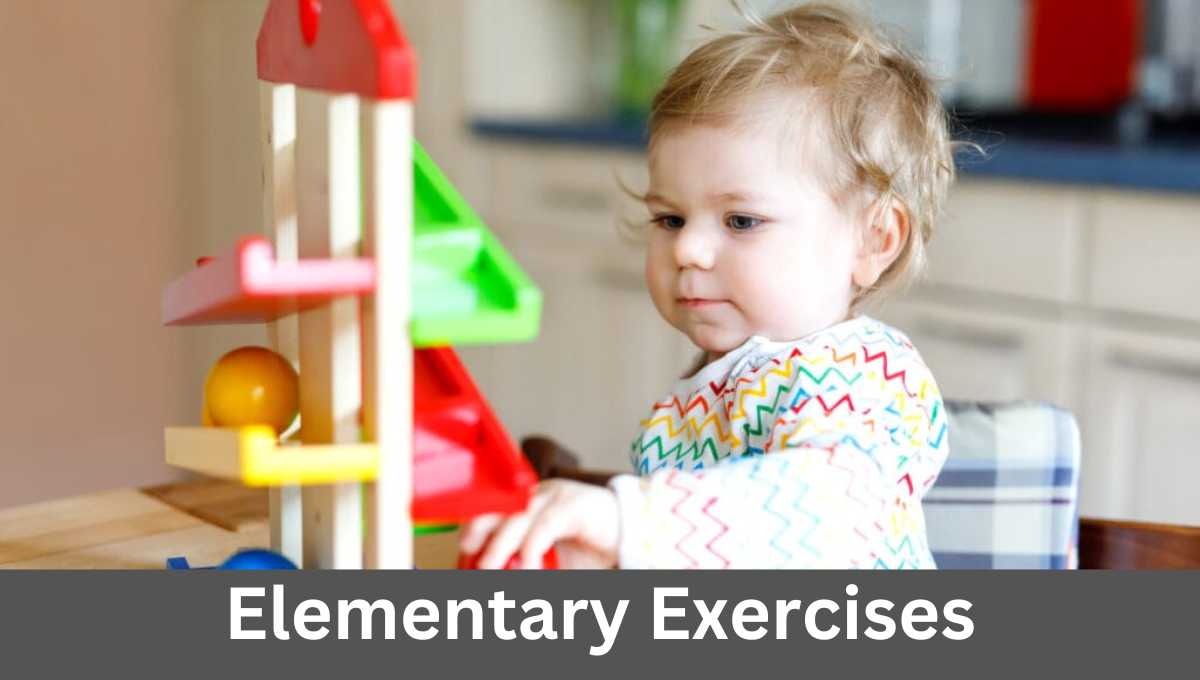
Elementary exercises are further subdivided into three groups.
Basic Elementary Exercises
These activities involve very basic movement, mostly involving how to hold and place objects. These activities are completed within a very short time.
For example,
- Holding a jug
- Holding a Tray
- Carrying a Glass of Water
- Holding a spoon
- Hanging an apron
- Selecting a Mat
Elementary Exercises
The movements involved in this category are a bit more complex and advanced than basic elementary exercises, but altogether they are also done within a short period of time.
Examples:
- Opening and closing bottle tops
- Rolling and Unrolling a Mat
- Threading Beads
- Folding and Unfolding a Mat
- Pegging
- Pouring Rice from One Jug to Another
- Pouring water from one jug to another
- Spooning Beans
- Turning Pages of a Book
Highly Elementary Exercises
The same sort of work is involved in these exercises, but they are more logical and slightly more complex than the previous group of exercises.
For example:
- Sponging Water
- Pouring Rice into Multiple Containers
- Pouring Water to Multiple Containers
- Using a Dropper
- Use of Funnel
- Wringing a Wet Cloth
- Cutting Along a Line
Exercises of Personal Care
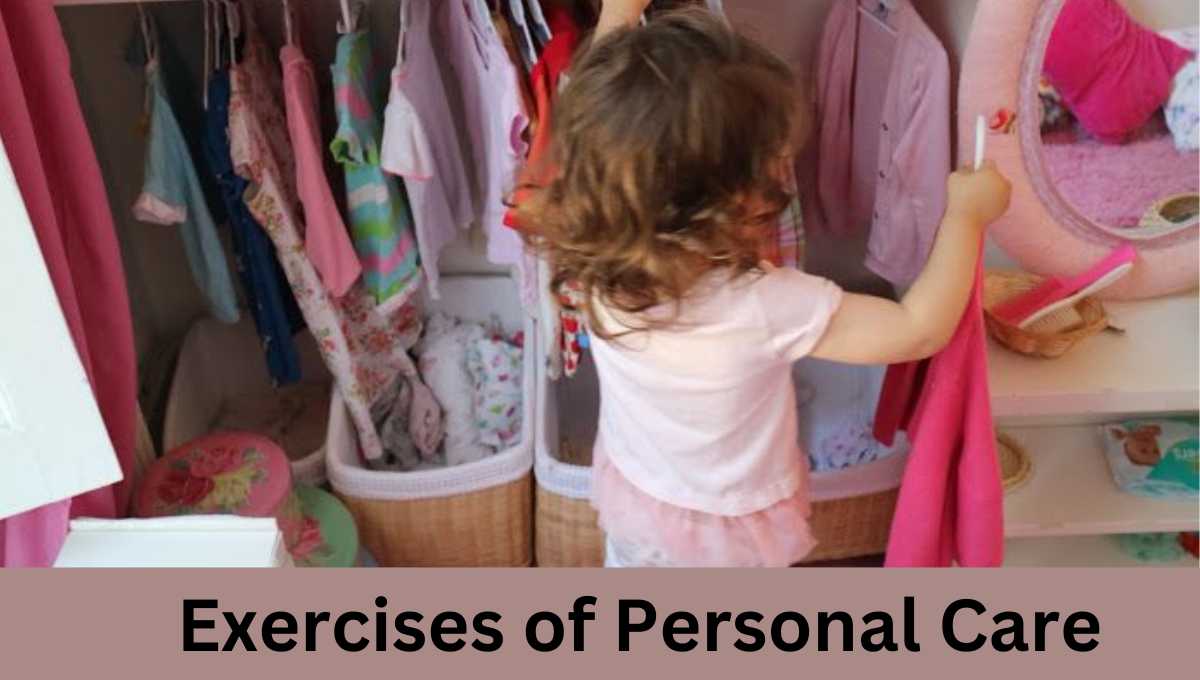
These exercises help the child to take care of himself, gain confidence, and groom himself.
Examples:
Grooming
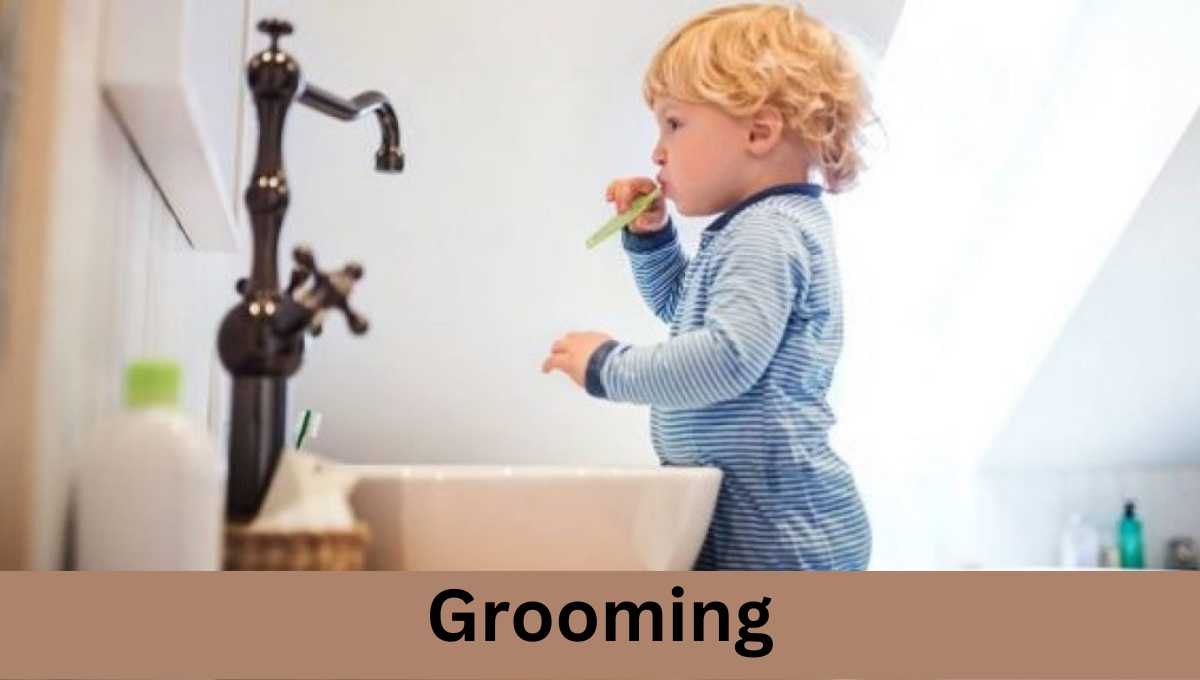
- Washing Hands
- Washing Face
- Blowing Nose
- Brushing Teeth
- Combing, Brushing, Braiding
- Care of Finger Nails
Dressing

- Button Frame
- Snapping Frame
- Hook and Eye Frame
- Buckle Frame
- Bow Tying Frame
- Shoe Lacing Frame
- Zipper Frame
- Safety Pin Frame
- Polishing Shoes
Preparing Food

- How to Use Kitchen Tools
- Managing Containers
- Using a Grater
- Shaking a Bottle
- Preparing Vegetable
- Peeling Vegetables
- How to Use a Blunt Knife
Exercises of Grace and Courtesy

Through these activities the child learns to be polite, use basic manners, and know how to go about the society.
Examples:
- Walking around a mat
- Offering a pointed object/knife
- How to sit on a chair
- Knocking at a Door
- Silence Game
- Walking on the Line
- Holding up, carrying, and putting down a chair
Exercises of Care of Environment
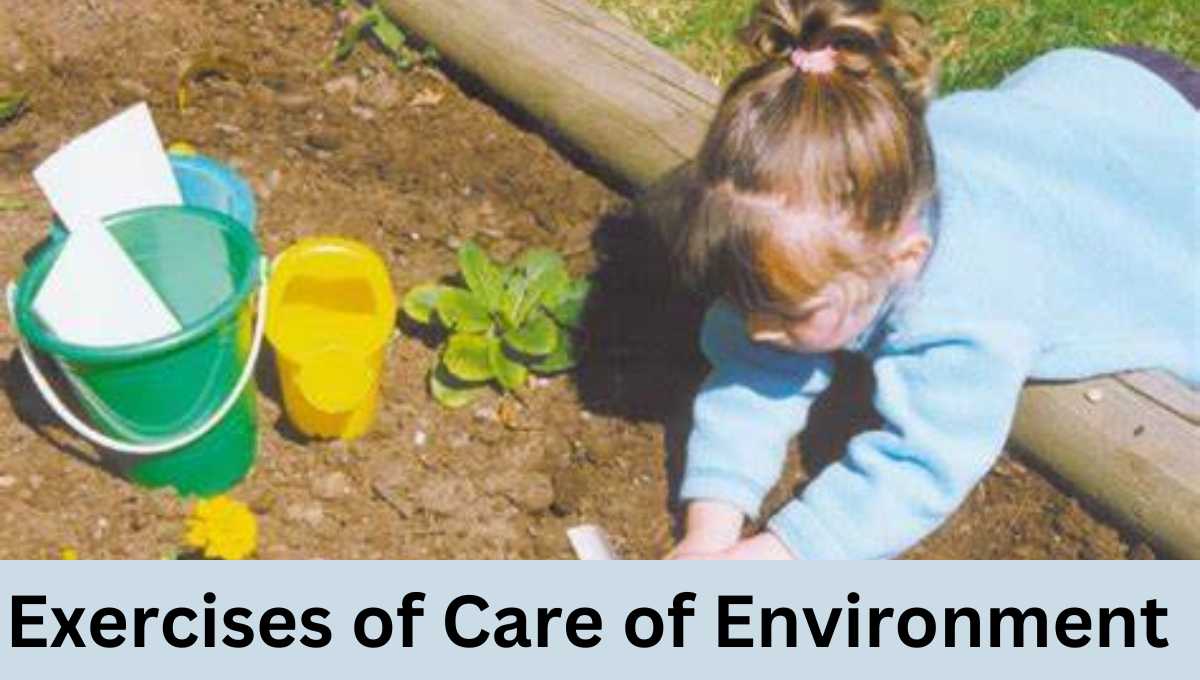
Exercises of both outdoor and indoor environments are components of this category. The child learns to take care of the environment, how to keep it clean, and how to restore and maintain proper living conditions.
Examples:
Care of surface:
- Washing a Formica surface
- Washing a Painted Surface
- Mopping Floor
- Use of Broom and Dustpan
- Care of Carpeted Area
- Polishing Furniture
- Sweeping
- Dusting
Care of Plants and Animals:
- Care of Indoor Plants
- The Garden
- Care of Animals
Sensorial Exercises
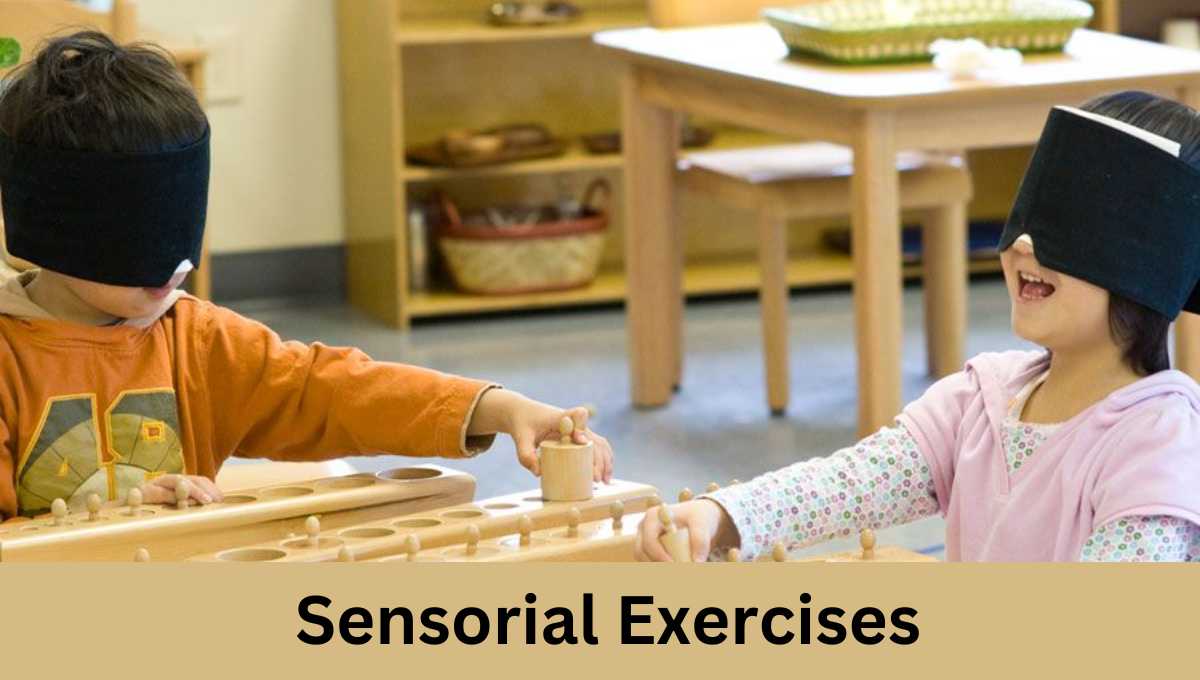
Sensorial activities are fun things children do to explore and understand their senses—like touch, sight, hearing, and more. Teachers place special materials and games in this learning center that help a child to learn about the world by using five senses.
For example, children might touch different textures, listen to various sounds, or look at different colors and shapes. These activities are like exciting games that make learning super interesting!
Benefits of Sensorial Activities:
Doing sensorial activities has some really cool benefits:
- Discovering the World: Children get to explore and understand the world using their senses, like how things feel, sound, or look.
- Improving Senses: These activities help make children’s senses stronger and more accurate. It’s like giving children’s senses a workout!
- Learning Skills: Children pick up important skills, like recognizing shapes, sizes, and colors, which are super helpful in everyday life.
- Problem-Solving: Sensorial activities make them think and figure things out, which is awesome for their brain.
- Having Fun: Most importantly, these activities are lots of fun! They make learning a big adventure, and who doesn’t love that?
Language
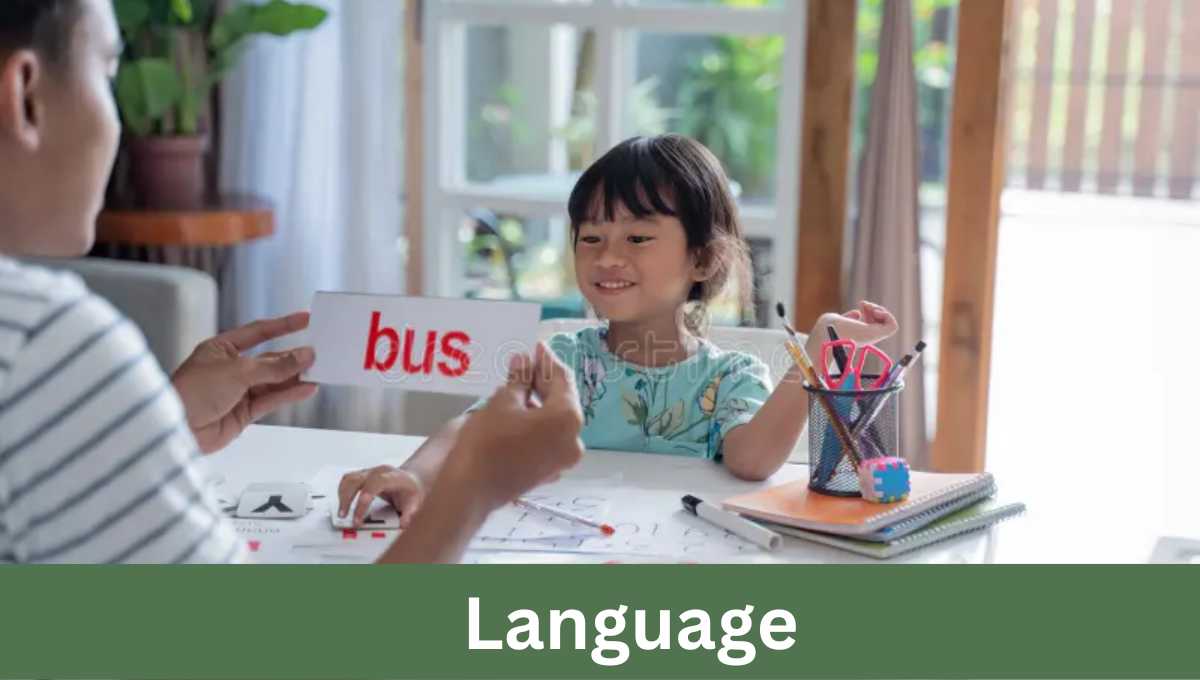
Language is explored phonetically in a Montessori classroom. Materials like sandpaper letters and matching objects are used to introduce the initial alphabets and then introduce blending exercises with the moveable alphabets. In Montessori, this learning center has super fun games that help them talk, read, and write better.
Talking Fun
- Children play games to learn new words and practice talking. It’s like chatting with friends while learning cool words.
Reading Adventures
- Children read exciting stories and play with letters. It’s like a journey into amazing worlds through books.
Writing Magic
- Children use special tools to write and draw. It’s like creating magic with pens and paper.
Sounds Exploration
- Children have fun with sounds, making words and playing with letters. It’s like a musical way of learning words.
Language Games
- Children play games that help them understand words better. It’s like playing and learning at the same time.
So, in simple words, language exercises in Montessori are like awesome playtimes that help children become superstars at talking, reading, and writing!
Mathematics
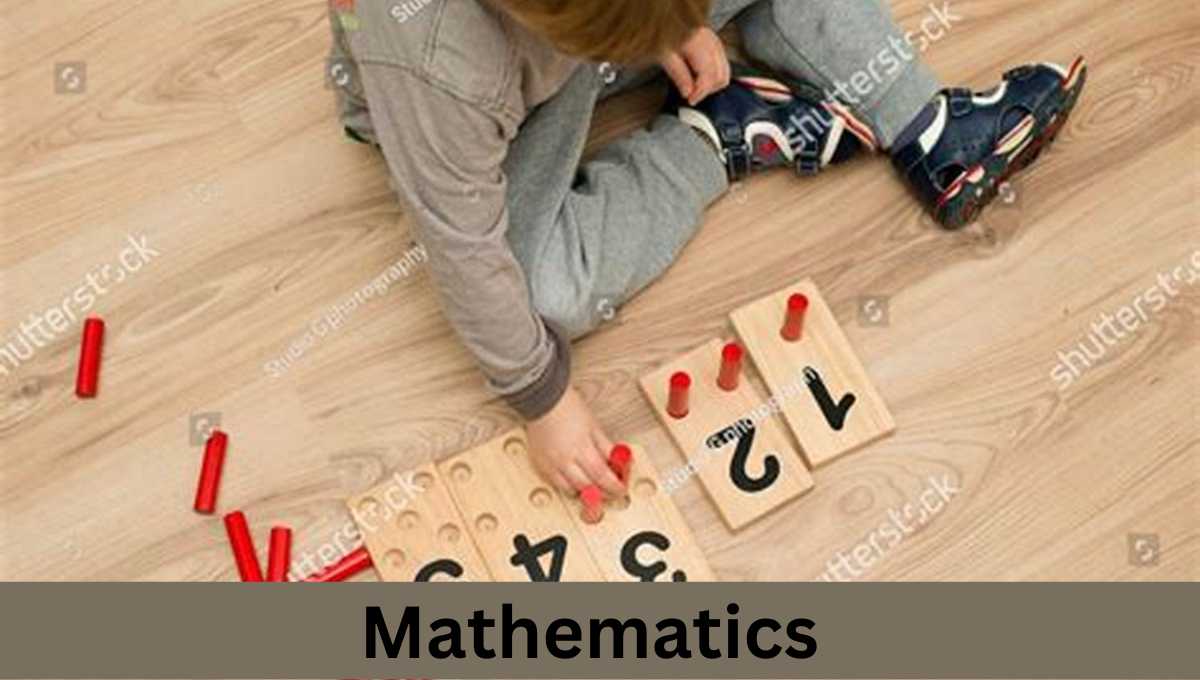
Hands-on materials like number rods, sandpaper numbers, number boards, number beads, tiles, and games are used to teach mathematical concepts.
In Montessori, this learning center has exciting games that make numbers and counting super fun. Let’s break it down:
Number of Rods and Spindle Box
Children play with numbers like they’re our friends. Children learn numbers according to their quantity through number rods. Teachers introduce “0” through the spindle box.
Sandpaper Letters

- Children identify the numbers and learn how to write numbers through sandpaper.
Golden Beads Materials and Number Cards
- Golden bead materials and small number cards are used for the concept of place value. This material is very helpful, and children learn place value without any confusion and enjoy the learning process.
Adding and Subtracting Fun
- Children learn to add and subtract with games. It’s like solving puzzles that make math super easy.
Shape Play
- Children explore different shapes like circles, squares, and triangles. It’s like a shape party where they learn about shapes while having a blast. There is a wooden-shaped cabinet that has different drawers having different wooden frames, and students hold a shape and fix it in the appropriate frame.
Solid Shapes
The teacher gives the idea of 3D shapes by using solid shapes. This material makes this concept easy and understandable for students.
So, in simple words, math activities in Montessori are like awesome games that help children become superheroes at counting, adding, subtracting, and understanding shapes!
Cultural Area
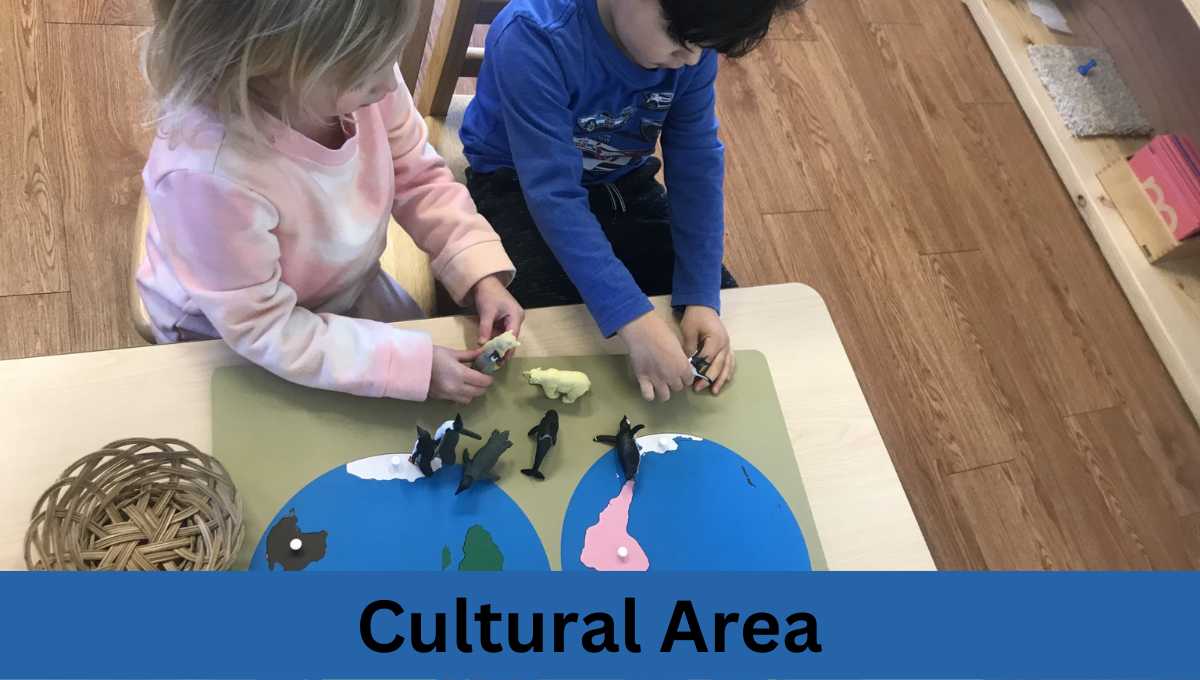
During early years the child is quick to grasp culture. He absorbs most of the culture around him during 0 to 6 years. In Montessori classrooms the cultural activities are very intelligently incorporated in the environment.
This learning center is divided into geography, history, science, and nature. Each of the concepts is taught with materials used in a classroom or activities that will develop their sense regarding their concepts.
Geography Quests
- Children go on quests to discover countries, continents, and maps. It’s like being a little explorer, finding out about different places on their planet.
History Time
- Children travel back in time to learn about the past. It’s like having a time machine that takes them to ancient civilizations and exciting historical events.
Science Adventures
- Children do experiments and learn about plants, animals, and the world. It’s like being a scientist and uncovering the mysteries of nature.
Art and Music Journeys
- Children explore art and music from different cultures. It’s like having a global art gallery and a concert from around the world right in their classroom.
Language and Customs
- Children learn about different languages and traditions. It’s like having friends from all over, understanding how they speak and celebrate.
So, in simple words, cultural exercises in Montessori are like amazing journeys that help children to understand and appreciate the rich diversity of the world.
Official Scholarship & University Resources
American Montessori Society (AMS) Teacher Education Scholarships Application Deadline: May 1, 2026 (Currently Open) Degree level: Certification / Diploma Scholarship coverage: Partial Funding Eligible nationality: All nationalities Award country: USA Official Link: https://amshq.org/Educators/Montessori-Teacher-Credentials/Scholarships
Association Montessori Internationale (AMI) Training Fellowships Application Deadline: September 15, 2026 Degree level: Postgraduate Certification Scholarship coverage: Fully Funded (Tuition + Grants) Eligible nationality: All nationalities Award country: Global Official Link: https://montessori-ami.org/training-programmes
University: French Universities (Early Childhood & Pedagogy Excellence) Degree level: Bachelor’s, Master’s, PhD Scholarship coverage: Fully funded Eligible nationality: All Nationalities Award country: France Last Date: October 30, 2026
Global Education Grants for International Students Application Deadline: December 1, 2026 Degree level: Undergraduate, Master’s Scholarship coverage: Tuition Fees and Campus Housing Eligible nationality: Developing Nations Award country: Canada / UK / Australia Official Link: https://www.ed.gov/
6. Complete SEO Article
Montessori Learning Center
Choosing the right educational foundation for your child is one of the most critical decisions a parent can make. A Montessori Learning Center provides a unique, highly respected approach to early childhood education and beyond. Originally developed by Dr. Maria Montessori over a century ago, this method focuses on self-directed learning, hands-on activity, and collaborative play. It diverges significantly from traditional models, prioritizing the whole child rather than just academic metrics.
Parents today are heavily invested in their children’s long-term success, often planning for future university admissions and calculating tuition fees even during the preschool years. Understanding the value of an independent educational foundation can help families justify the investment in alternative schooling. This educational philosophy fosters independence, critical thinking, and a genuine love for lifelong learning.
In these carefully prepared environments, children make creative choices in their learning, while the classroom and the highly trained teacher offer age-appropriate activities to guide the process. As students grow, the skills they acquire here seamlessly translate into higher education success. Whether they eventually pursue an online degree program or navigate the complex university application process, the self-motivation learned early on remains a powerful asset.
The Philosophy Behind Montessori Education
At the core of this system is a profound educational philosophy centered on the natural psychological development of the child. Dr. Maria Montessori believed that children possess an innate curiosity and a natural desire to learn. Her constructivist model suggests that children learn best through direct, hands-on learning and spontaneous activity rather than passive listening.
This environment respects the child as an individual, fostering intrinsic motivation instead of relying on external rewards or standardized grades. The concept of the “absorbent mind” is central to this stage of child psychology, suggesting that children easily absorb information from their surroundings during specific sensitive periods. By allowing freedom within limits, children develop self-discipline and independence.
Educational pioneers have long recognized that this whole child approach nurtures not just cognitive preparation but also emotional growth and physical coordination. Parents researching college admissions often find that students with this background exhibit superior social responsibility. The focus on internal motivation creates lifelong learners who naturally excel when they later encounter rigorous academic excellence requirements.
Key Components of a Montessori Classroom
Walk into any accredited facility, and the prepared environment immediately stands out. You will not see rows of desks facing a teacher’s chalkboard. Instead, the space features child-sized furniture, an open floor plan, and accessible shelving displaying beautifully crafted materials. These tactile materials are meticulously designed to guide sequenced learning and self-correction.
The atmosphere is noticeably peaceful, allowing for an uninterrupted work period where children engage deeply with their chosen tasks. Freedom of movement and independent choice are actively encouraged, supported by a minimalistic design and natural lighting. Every object in the ordered space serves a specific developmental purpose, from the iconic Pink Tower to the movable alphabet.
Different areas are clearly defined, including a practical life area, a cultural studies corner, and a quiet reading nook. This spatial awareness encourages collaborative spaces where children can work together or independently. Families looking into future campus housing and student banking will appreciate how this early spatial and material responsibility translates into capable, independent young adults.
How Mixed-Age Classrooms Benefit Students
One of the most distinctive features is the use of mixed-age groupings. Instead of segregating children by chronological age, classrooms typically span three years, such as ages three to six. This multi-age classroom structure mirrors real-world social dynamics and provides incredible benefits for social development.
Younger children learn by observing their older peers, while older students reinforce their shared knowledge by serving as role models and peer mentors. This natural social dynamic fosters community building, empathy, and advanced social skills. Cooperative play and observational learning naturally replace the competitive environment found in many traditional schools.
Students can progress at their own developmental pace, allowing for academic acceleration without the pressure of keeping up with a rigid standard. This inclusive environment builds immense emotional intelligence and leadership skills. As these students eventually navigate international student admissions or work with study abroad consultants, their ability to collaborate across age and cultural gaps proves invaluable.
Practical Life Skills and Sensory Learning
A significant portion of the curriculum is dedicated to practical life activities and sensory integration. These tasks, which might seem mundane to adults, are fascinating to children and crucial for developing fine motor skills and hand-eye coordination. Activities include pouring, transferring, buttoning, zipping, and table scrubbing.
Through care of self and care of the environment, children learn grace and courtesy, fostering a deep sense of independence and self-care. Alongside these real-life skills, sensory materials play a massive role in cognitive mapping. Children explore visual discrimination, auditory learning, tactile stimulation, olfactory senses, and gustatory senses.
These exercises build incredible concentration and spatial reasoning and physical coordination that later support writing and complex mathematics. Parents concerned about securing merit-based scholarships or navigating education loans later in life often find that early mastery of these foundational skills translates to exceptional academic performance and personal responsibility.
Montessori vs. Traditional Education Methods
When comparing this approach to traditional schooling, the differences are stark. Traditional education often relies heavily on teacher-led instruction, rote memorization, and standardized testing. Students are usually expected to conform to a rigid curriculum and are motivated by external rewards and standardized grades.
In contrast, this progressive education model champions individualized pace and intrinsic rewards. There is a strong emphasis on project-based learning and student autonomy, removing the immense academic pressure and homework loads common elsewhere. Instead of memorization, the focus shifts to critical thinking, problem-solving, and divergent thinking.
Without a traditional grading system or standardized assessments, classroom discipline emerges naturally from student engagement rather than authoritarian control. For families weighing the heavy tuition fees of private traditional schools against alternative curriculums, the investment in critical thinking often yields better long-term outcomes, easing the eventual transition to competitive graduate program admissions or securing lucrative career opportunities.
The Role of the Specially Trained Montessori Teacher
The educator in this setting is often referred to as a Montessori guide rather than a traditional teacher. With rigorous AMI certification or AMS credentials, this trained educator acts as an unobtrusive observer and classroom facilitator. Their primary role is child observation, allowing them to craft highly individualized lesson plans.
Using specific pedagogical methods and ongoing professional development, the guide provides gentle intervention only when necessary. They maintain detailed observational records to track student evaluation without formal testing. This supportive role requires masterful classroom management and deep understanding of holistic assessment.
The teacher-student relationship is built on profound respect, acting almost like early academic coaching and academic counseling. As students progress, this individualized instruction prepares them for complex future challenges, whether that involves applying for need-based scholarships, exploring visa services for students, or understanding intricate immigration policy for international studies later in their academic journey.
Financing Your Education: Scholarships and Student Loans
Investing in early childhood education can be financially demanding, prompting many parents to seek financial aid early on. While preschools require immediate tuition payments, smart families simultaneously plan for the future, looking into education grants and funding opportunities. Understanding the financial landscape is crucial for long-term educational success.
Many families utilize student loans and specialized education loans to bridge gaps in private school funding. As children grow and approach higher education, the search shifts toward merit scholarships and need-based scholarships. Navigating the university application process often requires the assistance of education consulting to maximize financial returns.
For those considering global avenues, international education offers vast possibilities. Students may explore studying in the USA, studying in Canada, or studying in UK programs. This requires understanding visa requirements, securing healthcare insurance, and planning for the cost of living. Securing a fully funded scholarship or finding campus jobs can significantly alleviate these burdens, allowing students to focus on research opportunities and long-term career growth.
Conclusion
A Montessori center offers a transformative educational journey that prioritizes holistic growth and foundational learning. By fostering independence and academic excellence, it prepares children not just for school but for a lifetime of success. The investment in this child-centered approach ultimately shapes confident learners and responsible global citizens ready to seize future career opportunities.
Frequently Asked Questions (Latest Google People Also Ask)
What exactly is the Montessori method explained in simple terms?
The Montessori method explained simply is an educational approach that allows children to learn at their own pace through self-directed, hands-on activities. Instead of a teacher lecturing, children choose from specialized materials in a prepared environment to build independence and practical skills.
Are there any major pros and cons of this educational style?
The main pros include fostering profound independence, personalized learning paces, and strong community dynamics through mixed-age classrooms. The cons often involve the high cost of Montessori schooling, difficulty transitioning to rigid traditional schools, and a lack of standardized testing, which some parents prefer for tracking academic rigor.
How much does it typically cost to attend these schools?
Tuition varies wildly based on location and the specific preschool age or elementary programs offered. Costs can range from moderate to highly expensive, prompting many parents to explore financial aid, private scholarships, or alternative funding opportunities to cover the yearly expenses.
Do children struggle when transitioning to traditional schools?
Most children transition remarkably well because they have developed strong adaptability, critical thinking, and intrinsic motivation. While the shift to standard grading systems and strict curriculums can take a brief adjustment period, their foundational learning outcomes usually lead to sustained academic excellence.
Are the teachers specially certified?
Yes, legitimate centers require strict teacher qualifications. Educators undergo rigorous specialized training, typically securing credentials from global organizations like AMI or AMS, ensuring they understand child psychology and the specific pedagogical methods required for this unique environment.