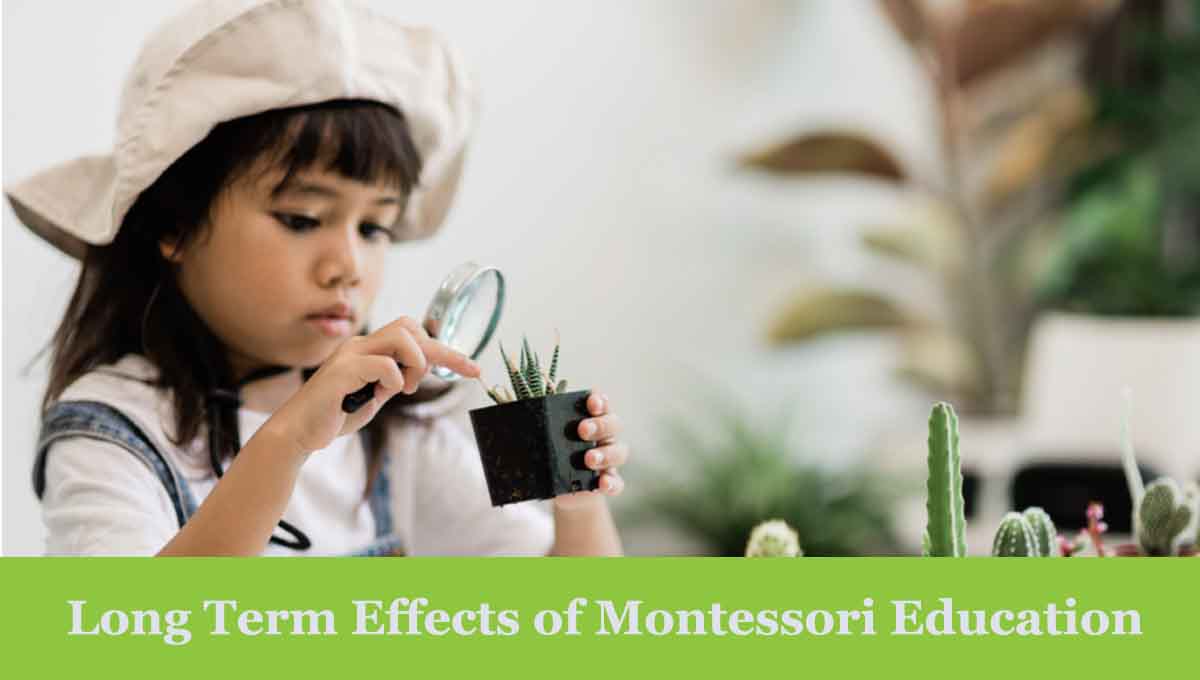
Montessori education plays a vital role in child development. Long-term effects of Montessori education on childlike physical development, social development, cognitive development, and emotional development.
According to Maria Montessori, a child (aged 0 to 6 years) works like observing machines. They are very keen observers; that’s why they are always curious to explore and experience new things. They observe their adults while completing their household tasks, and they also want to copy them, and they try to get involved in household tasks like washing clothes, organizing wardrobes, cooking, and cleaning houses. But unfortunately, being parents, we are very conscious, and they don’t let them explore their inner urges.
Montessori education produces lasting effects, including enhanced executive function, creativity, social skills, and academic achievement. Research shows Montessori graduates demonstrate greater independence, problem-solving abilities, and intrinsic motivation well into adulthood, with benefits extending across cognitive, social, and emotional development throughout their lives.
Introduction
When parents choose an educational approach for their children, they’re not just selecting a preschool or kindergarten—they’re making a decision that could shape their child’s entire life trajectory. The question “what are the long-term effects of Montessori education?” isn’t just academic curiosity; it’s a practical concern for families investing time, money, and trust in an educational philosophy.
🌍 More Available Jobs




Dr. Maria Montessori developed her educational method over a century ago, but only recently have researchers been able to track Montessori students across decades to understand the lasting impact of this approach. The findings reveal something remarkable: the effects of Montessori education don’t fade when children leave the classroom. Instead, they compound over time, influencing how adults think, work, and relate to others.
This article explores the documented long-term outcomes of Montessori education, drawing from longitudinal studies, adult testimonials, and comparative research. Whether you’re considering a Montessori preschool for your toddler or wondering if your investment in Montessori education will pay dividends years from now, understanding these lasting effects can help you make informed decisions.
Why This Topic Matters
Parents today face overwhelming educational choices. Traditional schools, progressive education, homeschooling, Montessori, and Waldorf—each approach promises to prepare children for successful futures. But most educational research focuses on short-term outcomes: test scores at the end of a school year or kindergarten readiness assessments.
🌍 More Available Jobs



Long-term effects matter more. The question isn’t whether a five-year-old can read earlier than their peers. It’s whether that educational approach cultivates abilities that matter at fifteen, twenty-five, or fifty: critical thinking, emotional regulation, creativity, collaborative skills, and the capacity for lifelong learning.
Montessori education claims to develop the whole child, not just academic skills. But does that philosophy translate into measurable advantages years later? For parents investing thousands of dollars annually in Montessori tuition—or reorganizing their homes for Montessori homeschooling—understanding the long-term return matters tremendously.
Additionally, this topic addresses growing concerns about traditional education systems. When college graduates struggle with basic problem-solving, when young professionals lack initiative, and when adults feel disengaged from their work, parents rightfully question whether conventional schooling adequately prepares children for real-world challenges.
Montessori Foundations Related to This Topic
To understand Montessori’s long-term effects, we must first grasp its foundational principles, which differ fundamentally from traditional education.
Self-Directed Learning
Montessori classrooms allow children to choose their activities within a prepared environment. Rather than following a teacher-directed schedule, students select work based on interest and developmental readiness. This autonomy doesn’t mean chaos—Montessori teachers guide choices and establish boundaries—but children exercise significantly more agency than in conventional classrooms.
This foundation matters long-term because self-direction becomes internalized. Children who regularly practice making choices develop stronger executive function and intrinsic motivation.
Mixed-Age Classrooms
Unlike traditional same-age groupings, Montessori classrooms typically span three-year age ranges (3-6, 6-9, 9-12). Younger children observe and learn from older peers. Older children reinforce knowledge by teaching younger ones.
This structure develops social intelligence, mentorship skills, and collaborative abilities that extend into adult relationships and workplace dynamics.
Hands-On Learning Materials
Montessori learning materials are carefully designed to be self-correcting and to isolate specific concepts. Children manipulate physical objects rather than completing worksheets, engaging multiple senses in learning.
This concrete-to-abstract progression builds deeper conceptual understanding, which creates more flexible and transferable knowledge.
Respect for the Child’s Development
Montessori education follows the child’s natural developmental stages—what Dr. Montessori called “sensitive periods.” Rather than imposing external benchmarks, teachers observe when children are ready for specific skills.
This respect for individual development reduces anxiety around learning and fosters healthier relationships with challenge and mastery.
Main Concepts and Explanation
Understanding Long-Term Educational Effects
Educational researchers distinguish between immediate outcomes (test scores, grade-level performance), intermediate outcomes (high school graduation rates, college admission), and long-term outcomes (career success, life satisfaction, civic engagement).
Montessori education often shows modest or mixed results on immediate traditional measures—standardized test scores, for instance—but demonstrates stronger effects on intermediate and especially long-term measures. This pattern suggests Montessori develops capabilities that matter more over time than in artificial testing situations.
Cognitive Long-Term Effects
Executive Function Development
Executive function encompasses cognitive processes like planning, working memory, attention control, and cognitive flexibility. These skills predict academic and career success more reliably than IQ.
Montessori education substantially strengthens executive function through repeated practice. When a four-year-old chooses an activity, gathers materials, completes work, and returns everything to its place, they’re exercising executive function. Multiplied across thousands of work cycles over years, this practice builds exceptional cognitive control.
A 2017 study published in Frontiers in Psychology followed Montessori and traditional students from preschool through high school. Montessori students consistently demonstrated superior executive function, with the gap widening rather than narrowing over time. By adolescence, Montessori students showed significantly better planning abilities, impulse control, and task-switching skills.
These advantages don’t disappear at graduation. Adults who attended Montessori schools report better time management, project planning, and ability to maintain focus in distracting environments—all executive function applications.
Creative Problem-Solving
Montessori education doesn’t provide answer keys for most activities. Materials are designed for exploration and discovery. When a child works with the pink tower (ten graduated cubes), there’s no worksheet checking if they stacked it correctly—the visual disharmony of an incorrect arrangement provides feedback.
This approach to learning cultivates creative problem-solving. Rather than seeking the “right answer” from an authority figure, Montessori students develop hypothesis-testing mindsets.
Research on creative thinking consistently finds advantages for Montessori students. A comprehensive study by University of Virginia researchers found that Montessori students generated more creative responses to open-ended problems and demonstrated greater cognitive flexibility when asked to approach challenges from multiple angles.
Former Montessori students frequently report that this creative problem-solving ability serves them throughout life, particularly in careers requiring innovation and adaptability.
Deep Learning vs. Surface Learning
Traditional education often emphasizes memorization and procedural knowledge—what educators call “surface learning.” Montessori prioritizes conceptual understanding—”deep learning.”
For example, traditional math instruction might teach the multiplication algorithm (the procedure for multi-digit multiplication). Montessori students first explore multiplication concretely using bead materials, understanding multiplication as repeated addition and as array organization before learning computational shortcuts.
This deep learning approach creates more robust knowledge that transfers better to new situations. Studies tracking students into college find that those from Montessori backgrounds demonstrate better knowledge transfer—applying concepts learned in one context to novel problems—than peers from traditional backgrounds.
Social-Emotional Long-Term Effects
Intrinsic Motivation and Work Ethic
One of Montessori education’s most significant long-term effects involves motivation. Traditional schooling typically relies on extrinsic motivators: grades, stickers, prizes, and punishments. Montessori education eliminates these external rewards, allowing intrinsic motivation—the inherent satisfaction of mastery and discovery—to drive learning.
This difference compounds dramatically over time. Children accustomed to external rewards often struggle with motivation when rewards disappear. University professors note that many college students ask, “Will this be on the test?” rather than engaging with material out of genuine interest.
Montessori graduates more frequently report working for the satisfaction of the work itself. They’re more likely to pursue challenging projects without guaranteed rewards and to persist through difficulties because they value the learning process.
A 2020 longitudinal study tracked work attitudes among adults who attended Montessori, traditional public, and traditional private schools. Montessori alumni reported significantly higher intrinsic work motivation and job satisfaction. They were less likely to remain in unfulfilling jobs solely for external rewards and more likely to seek roles aligned with their values and interests.
Social Skills and Emotional Intelligence
Mixed-age Montessori classrooms create thousands of social learning opportunities. Young children navigate interactions with older, more capable peers. Older children practice patience, teaching, and leadership with younger classmates.
Unlike traditional same-age classrooms where social hierarchies often emerge based on narrow criteria (athletic ability, academic performance, appearance), Montessori environments distribute social capital more broadly. The child who struggles with reading might excel at building, earning respect from peers. The oldest child in the class gains status through mentorship, not dominance.
These varied social experiences develop emotional intelligence—the ability to recognize, understand, and manage emotions in oneself and others. Research consistently finds that Montessori students demonstrate better conflict resolution skills, more sophisticated perspective-taking, and greater empathy than traditionally educated peers.
These advantages persist into adulthood. Former Montessori students report better workplace relationships, stronger friendships, and more successful romantic partnerships. They’re more comfortable in diverse social settings and more skilled at navigating complex social dynamics.
Independence and Self-Reliance
From age three, Montessori children practice practical life activities: pouring water, folding cloth, preparing snacks, and cleaning spills. These aren’t just cute activities—they’re systematic development of independence.
As children progress through Montessori education, independence expectations increase. Elementary students might plan and pack for overnight field trips. Adolescents in Montessori secondary programs often run school businesses, manage budgets, and organize community service projects.
This graduated practice of independence produces remarkably self-reliant adults. Montessori alumni report greater comfort with independent living transitions (moving away for college, first apartments, living abroad), better household management skills, and stronger self-advocacy abilities.
College advisors note that students from Montessori backgrounds typically require less hand-holding during the transition to higher education. They’re more likely to seek help when needed, manage their schedules effectively, and take initiative on assignments.
Academic Long-Term Effects
Reading and Literacy
Montessori reading instruction differs significantly from traditional phonics programs. Children explore sounds and letters through multisensory materials (sandpaper letters, moveable alphabets) at their own pace. There’s no pressure to read by a specific age, but rich support when children demonstrate readiness.
Short-term, this approach sometimes concerns parents. A Montessori five-year-old might not read yet while traditionally educated peers are completing reading workbooks. But longitudinal research reveals that reading age differences disappear by third grade, and Montessori students often surpass peers in reading comprehension, vocabulary breadth, and especially reading motivation.
By adolescence and adulthood, the Montessori approach shows clear advantages. Former Montessori students read more for pleasure, demonstrate better textual analysis skills, and report greater confidence tackling challenging texts. They’re less likely to experience reading as a chore and more likely to seek out reading for learning and enjoyment.
Mathematics
Similar patterns appear in mathematics. Montessori math materials provide concrete representations of abstract concepts. Children might work with golden bead materials (individual beads, bars of ten, squares of one hundred, cubes of one thousand) to understand place value and operations rather than simply memorizing procedures.
This concrete foundation creates deeper mathematical understanding. Research finds that Montessori students demonstrate better number sense, more flexible mathematical thinking, and superior problem-solving compared to traditionally educated peers.
These advantages become more pronounced in advanced mathematics. Former Montessori students report less math anxiety, greater willingness to tackle challenging problems, and better ability to apply mathematical reasoning to real-world situations. They’re more likely to pursue STEM fields and to succeed in technical careers.
Science and Discovery
Montessori classrooms emphasize scientific observation and experimentation. Rather than learning about biology from textbooks, Montessori children care for classroom plants and animals, observe life cycles, and conduct investigations.
This hands-on approach cultivates scientific thinking—hypothesis formation, systematic observation, and evidence-based reasoning. Former Montessori students demonstrate stronger scientific literacy and greater comfort with empirical inquiry.
Many prominent scientists and innovators credit Montessori education with fostering their curiosity and investigative approaches. The emphasis on discovery rather than reception of facts appears to create lifelong learners who continue exploring questions long after formal education ends.
Montessori Education in the United States
The United States hosts approximately 5,000 Montessori schools serving over 500,000 students. This represents the largest Montessori presence globally, with schools in every state and serving diverse populations from inner-city public programs to exclusive private academies.
Growth and Trends
Montessori education is experiencing significant growth in the United States. Between 2010 and 2025, the number of public Montessori programs increased by over 300 percent, with cities like Dallas, Washington D.C., and Austin developing district-wide Montessori initiatives.
This expansion reflects growing research validation. As studies documenting Montessori’s long-term benefits reach mainstream awareness, demand increases. Parents seeking alternatives to test-focused traditional education increasingly turn to Montessori programs.
American Montessori Research
Much of the influential research on Montessori’s long-term effects originates from American universities. The University of Virginia’s Angeline Lillard has conducted landmark studies comparing Montessori and traditional education outcomes. Her 2017 book “Montessori: The Science Behind the Genius” synthesizes decades of research, documenting Montessori’s evidence-based effectiveness.
Recent American research focuses particularly on Montessori’s impact on executive function and social-emotional development—areas of growing concern as mental health challenges increase among young people.
American Montessori Organizations
The American Montessori Society (AMS) and the Association Montessori Internationale – USA (AMI-USA) provide teacher training, school accreditation, and family resources. These organizations maintain quality standards and support research initiatives investigating Montessori’s long-term outcomes.
Challenges in the American Context
The term “Montessori” isn’t legally protected in the United States, allowing any school to claim Montessori affiliation regardless of actual practice fidelity. This creates challenges for parents researching long-term effects—outcomes vary significantly between high-fidelity Montessori programs and schools using Montessori in name only.
Parents seeking the documented long-term benefits should look for AMS or AMI accreditation, certified Montessori teachers, and authentic Montessori materials and practices.
Montessori Education in Canada
Canada has embraced Montessori education enthusiastically, with over 500 schools across provinces serving approximately 50,000 students. Canadian Montessori ranges from public programs integrated into provincial school systems to private schools and home-based programs.
Provincial Variations
Different Canadian provinces regulate Montessori education differently. British Columbia and Alberta have well-established public Montessori options, while Ontario hosts numerous private Montessori schools. Quebec’s French-language context has created unique adaptations of Montessori approaches.
Canadian Montessori Research
Canadian researchers contribute important perspectives on Montessori’s long-term effects, particularly regarding bilingual development and cultural integration. Studies from Toronto and Montreal examine how Montessori’s individualized approach supports diverse learners, including immigrant children adapting to new cultural contexts.
Research from the University of Toronto suggests Montessori education’s long-term benefits may be particularly pronounced for bilingual children, as the method’s visual and hands-on approaches support language acquisition while building conceptual understanding.
Canadian Montessori Landscape
The Canadian Council of Montessori Administrators (CCMA) maintains standards and supports Montessori teacher education. Growing awareness of Montessori’s research-backed benefits has increased demand, particularly in urban centers where parents seek alternatives to conventional schooling.
Canadian Montessori programs often emphasize outdoor education and environmental awareness—extensions of Montessori’s cosmic education curriculum—which contributes to long-term environmental consciousness among graduates.
Montessori Education in the United Kingdom
The United Kingdom has approximately 700 Montessori schools, primarily serving early childhood ages (2-6 years). Unlike North America, where Montessori extends through elementary and secondary levels, UK Montessori education concentrates on early years education.
Early Years Focus
Most British Montessori programs operate as nurseries or preschools, preparing children for entry into traditional primary schools. This concentration on early years makes UK Montessori particularly relevant for understanding the long-term effects of early Montessori exposure.
Research from British institutions tracking children who attended Montessori nurseries before transitioning to traditional schools suggests that even early-only Montessori experience produces lasting benefits. These children demonstrate better self-regulation, social skills, and learning motivation years after leaving Montessori environments.
UK Montessori Organizations
The Montessori Centre International and Montessori St. Nicholas provide teacher training and school support in the UK. The Montessori Evaluation and Accreditation Board maintains quality standards across British Montessori schools.
Integration with British Education System
The UK’s national curriculum and testing regime create challenges for Montessori approaches at primary and secondary levels. However, Early Years Foundation Stage (EYFS) frameworks increasingly align with Montessori principles, emphasizing child-led learning, play, and developmental appropriateness.
British parents often choose Montessori for early years specifically to establish strong developmental foundations before children enter more structured traditional education. Research suggests this strategic early intervention produces benefits that persist despite later educational transitions.
Montessori Education in Australia
Australia’s Montessori landscape includes approximately 200 schools serving diverse communities across the continent. Australian Montessori extends from early childhood through secondary levels, with growing integration into public education systems.
Australian Montessori Growth
Montessori education is expanding rapidly in Australia, driven by research awareness and parent demand for alternative approaches. States like Victoria and New South Wales have developed public Montessori programs, making the approach accessible beyond families who can afford private tuition.
Australian Research Contributions
Australian researchers examine Montessori’s cultural adaptability, particularly how the method serves Indigenous communities. Studies exploring Montessori in remote and regional Australian contexts provide insights into the approach’s flexibility and long-term community impacts.
Research from Australian universities suggests Montessori’s emphasis on independence and practical skills may be particularly valuable in Australian contexts, where self-reliance and initiative are culturally valued.
Montessori Australia Foundation
Montessori Australia supports teacher education, school development, and research initiatives. The organization promotes authentic Montessori practice and investigates outcomes specific to Australian contexts.
Australian Montessori programs often incorporate outdoor education, bushcraft, and environmental studies—extensions that contribute to long-term environmental stewardship and connection to place among graduates.
Montessori vs Traditional Education
| Aspect | Montessori Education | Traditional Education |
|---|---|---|
| Learning Structure | Self-directed within prepared environment; child chooses activities | Teacher-directed; whole class follows same schedule |
| Age Grouping | Mixed-age classrooms (3-year spans) | Same-age grouping by grade level |
| Curriculum Delivery | Individualized; follows child’s developmental readiness | Standardized: all children learn same content simultaneously |
| Assessment | Observation-based; narrative evaluations; no grades | Letter grades; standardized testing; comparative ranking |
| Motivation | Intrinsic: learning for its own sake | Extrinsic: grades, rewards, competition |
| Materials | Hands-on, self-correcting, multisensory | Textbooks, worksheets, digital content |
| Teacher Role | Guide; observer; facilitator | Instructor, authority, information provider |
| Social Learning | Collaboration; peer teaching; mixed-age interaction | Competition; same-age peers; limited collaboration |
| Independence | High emphasis; children manage own work and environment | Lower: teacher manages schedule, materials, transitions |
| Long-term Executive Function | Superior development of planning, self-regulation, cognitive flexibility | Standard development varies by individual |
| Long-term Creativity | Enhanced creative problem-solving and divergent thinking | Variable; depends on specific program |
| Long-term Social Skills | Strong collaborative skills; emotional intelligence; conflict resolution | Variable; primarily same-age social experience |
| Long-term Academic Outcomes | Equal or superior, especially in reading comprehension, mathematical reasoning, scientific thinking | Varies widely; strong procedural knowledge |
| Long-term Motivation | Higher intrinsic motivation; greater learning enjoyment | More dependent on external validation; variable engagement |
Long-Term Outcomes Across Life Stages
Elementary School Years
Children transitioning from Montessori preschool to elementary programs (whether Montessori or traditional) typically demonstrate:
- Superior self-regulation: Better ability to manage behavior, emotions, and attention
- Advanced social skills: More comfortable with diverse age groups; better conflict resolution
- Strong intrinsic motivation: More engaged in learning for its own sake
- Executive function advantages: Better planning, organization, and task completion
- Flexible thinking: More creative approaches to problems
These advantages become particularly apparent during the middle elementary years (ages 8-10) when traditional education increases academic demands and expects greater independence. Former Montessori students typically navigate these transitions more smoothly.
Adolescent Years
Long-term studies tracking Montessori students through middle and high school reveal:
- Maintained academic performance: Montessori students perform equal or better on standardized measures
- Superior creative writing: Better narrative quality and originality
- Advanced critical thinking: More sophisticated analytical reasoning
- Better social adjustment: More positive peer relationships; less bullying involvement
- Reduced test anxiety: More comfortable with assessment situations
- Stronger sense of academic purpose: Better understanding of why learning matters
A particularly interesting finding involves divergent thinking—the ability to generate multiple solutions to open-ended problems. While traditionally educated students often show declining divergent thinking from elementary through high school (as schooling emphasizes finding single correct answers), Montessori students maintain or increase divergent thinking across these years.
College and Young Adulthood
Following students into higher education and early career years reveals Montessori’s most dramatic long-term effects:
- Smoother college transition: Better adaptation to independent learning demands
- Higher college completion rates: More likely to complete degree programs
- Greater academic engagement: More participation in seminars, research, creative projects
- Better time management: Superior ability to balance multiple demands
- More entrepreneurial activity: Higher rates of starting businesses or innovative projects
- Career satisfaction: Greater alignment between values and career choices
- Continued learning: More likely to pursue additional education and skill development
College professors who’ve taught both Montessori and traditionally educated students often note differences. Montessori graduates ask more questions, initiate more independent projects, and demonstrate greater comfort with ambiguity. They’re less likely to ask, “What do you want?” and more likely to propose their own approaches to assignments.
Mid-Life and Career Development
While research tracking Montessori students into mid-life remains limited (the method’s widespread adoption occurred relatively recently), available evidence suggests lasting effects:
- Career adaptability: Former Montessori students navigate career changes and economic disruptions more successfully
- Leadership roles: Higher representation in innovative leadership positions
- Work-life integration: Better ability to balance professional and personal priorities
- Continued curiosity: Maintained learning orientation throughout adulthood
- Community engagement: More involvement in civic and community activities
- Parenting approaches: More likely to seek out progressive education for own children
Anecdotal evidence from Montessori alumni associations suggests former students gravitate toward careers emphasizing creativity, problem-solving, and human service. Many report that Montessori education shaped not just what they do but how they approach work and life.
Real-World Examples
Example 1: Sarah’s Journey from Montessori Preschool to Medical School
Sarah attended a Montessori preschool and kindergarten from ages 3-6 before transitioning to traditional public school. Her parents worried the transition might be difficult, but Sarah adapted quickly, often surprising teachers with her independence and problem-solving approaches.
In elementary school, while peers waited for teachers to explain tasks, Sarah read instructions and began work independently. Group projects revealed her natural ability to facilitate cooperation and delegate tasks. Teachers noted her unusual willingness to help struggling classmates without being asked.
By high school, Sarah’s executive function advantages became more apparent. She managed a demanding Advanced Placement course load while participating in extracurricular activities, rarely appearing stressed. When asked about her organizational skills, Sarah credited her early Montessori experience: “I learned when I was three that you finish one task before starting another, and you put everything away before moving on. I still do that.”
Sarah excelled in college, particularly in science courses requiring lab work and hypothesis testing. She found traditional lecture courses less engaging but applied Montessori-inspired strategies—creating hands-on study materials, forming study groups, and teaching concepts to peers to solidify understanding.
Now in medical school, Sarah recognizes how Montessori shaped her approach to medicine. Her comfort with hands-on learning, systematic observation, and patient-centered (rather than procedure-centered) thinking reflect values established decades earlier in a Montessori classroom.
Example 2: The Martinez Family’s Montessori Homeschool
The Martinez family chose Montessori homeschooling for their three children after researching educational approaches. They created a prepared environment in their home with Montessori materials spanning practical life, sensorial, mathematics, language, and cultural studies.
The children, ages 5, 8, and 11, follow individualized learning plans with considerable choice in daily activities. The parents, both working from home, facilitate learning without traditional teaching.
Several years into their Montessori homeschool journey, the parents notice significant effects. Their children demonstrate remarkable independence—preparing meals, managing personal schedules, and pursuing complex projects with minimal supervision. The mixed-age dynamic creates natural mentorship, with older children teaching younger siblings while reinforcing their own knowledge.
Most strikingly, the children display deep intrinsic motivation. They pursue learning interests—ancient Egypt, robotics, creative writing—with intensity that surprises visiting relatives. When asked why they work on educational activities without being required to, the 11-year-old responded: “Why wouldn’t we? It’s interesting.”
Standardized assessment (required by their state) reveals the children perform well above grade level in most subjects. But the parents value other outcomes more: their children’s love of learning, collaborative relationships, and growing competence in practical life skills.
Example 3: Montessori Classroom Leadership Emergence
In a mixed-age Montessori elementary classroom (ages 6-9), teachers observe long-term social-emotional development in action. Six-year-olds enter the classroom hesitant and dependent. By nine, these same children demonstrate remarkable leadership and independence.
Maya entered the classroom at six, clinging to her parent during drop-off, reluctant to choose work, frequently seeking teacher reassurance. Her teachers didn’t push, instead trusting the Montessori environment and developmental process.
Over three years, Maya transformed. She began selecting increasingly challenging work, particularly in mathematics. She developed friendships across age levels. By age eight, she was showing new six-year-olds where materials belonged and how to carry work rugs. At nine, Maya became a classroom leader—mediating conflicts, proposing improvements to classroom organization, and teaching complex lessons to younger children.
This transformation wasn’t unique to Maya. Her teachers watch this developmental arc repeat with each cohort. The three-year cycle allows children to experience being youngest, middle, and oldest—each position offering different learning opportunities that contribute to long-term social competence.
Maya’s parents report that her confidence extends beyond school. She approaches new situations with curiosity rather than anxiety, advocates for herself effectively, and demonstrates problem-solving abilities that surprise them. They attribute these qualities to Montessori’s long-term developmental approach.
Example 4: Career Impact of Montessori Education
James attended Montessori school from preschool through eighth grade before transitioning to traditional high school. Now in his early thirties, he reflects on how Montessori shaped his career path.
After college, James worked in conventional corporate settings but felt unfulfilled. “I was always asking, ‘Why do we do it this way?’ and proposing alternatives,” he explains. “My bosses found it annoying. They wanted people who followed procedures, not questioned them.”
James eventually started his own business, finding entrepreneurship better suited to his Montessori-developed independence and creative problem-solving. He credits Montessori with giving him comfort with uncertainty and experimentation: “Montessori taught me that you try something, observe the results, and adjust. That’s exactly how I run my business.”
Hiring employees, James recognizes Montessori qualities in candidates—self-direction, intrinsic motivation, and collaborative skills—and preferentially hires people with similar educational backgrounds. “They require less management and contribute more creative ideas,” he notes.
James’s story illustrates a common pattern among Montessori alumni: gravitating toward work environments valuing autonomy, creativity, and purpose over rigid structures and external rewards.
Benefits of Montessori Education’s Long-Term Effects
- Enhanced executive function skills that improve planning, organization, and self-regulation throughout life
- Superior intrinsic motivation leading to greater learning enjoyment and career satisfaction
- Advanced creative problem-solving abilities applicable across academic, professional, and personal contexts
- Better emotional intelligence supporting healthier relationships and social navigation
- Greater independence and self-reliance facilitating successful life transitions
- Stronger conflict resolution skills, creating more harmonious relationships
- Deeper conceptual understanding rather than superficial procedural knowledge
- Maintained curiosity and love of learning extending beyond formal education
- Better stress management and resilience when facing challenges and setbacks
- Advanced social skills from extensive mixed-age interaction and collaboration
- Superior time management abilities valued in higher education and careers
- Greater comfort with ambiguity and complex, open-ended challenges
- More flexible thinking allowing adaptation to changing circumstances
- Better self-advocacy skills for expressing needs and negotiating solutions
- Enhanced environmental and global awareness from Montessori’s cosmic education
- Stronger work ethic driven by internal standards rather than external pressure
- More democratic and collaborative orientation in group settings
- Better integration of practical life skills into daily adult functioning
- Reduced test and performance anxiety from non-competitive learning environment
- Greater career satisfaction through alignment between values and work
Challenges of Montessori’s Long-Term Effects
- Potential friction in traditional settings where Montessori-developed questioning and autonomy may be perceived as challenging authority
- Adjustment difficulties when transitioning from Montessori to highly structured traditional environments
- Frustration with passive learning formats like lectures after hands-on Montessori experience
- Impatience with bureaucracy and rigid procedures in traditional institutions
- Difficulty when environments don’t value collaboration and instead emphasize individual competition
- Possible underperformance on tests measuring procedural knowledge rather than conceptual understanding
- Challenges finding Montessori-aligned workplaces that value autonomy and creativity
- Cost barriers preventing consistent Montessori education if families cannot afford tuition throughout schooling
- Variable quality across Montessori programs affecting which long-term benefits actually materialize
- Limited Montessori secondary options in many areas, forcing transition to traditional schools
- Potential social adjustment when moving from small Montessori communities to large traditional schools
- Mismatch between developed skills and assessment methods in standardized-testing-focused systems
- Difficulty with rote memorization tasks after emphasis on understanding over memorization
- Possible unrealistic workplace expectations when Montessori-developed values meet conventional corporate cultures
- Limited research on some populations making outcomes less predictable for specific demographics
Common Mistakes Parents Make Regarding Long-Term Montessori Effects
Mistake 1: Expecting Immediate Academic Superiority
The Problem: Parents sometimes expect Montessori children to outperform traditionally educated peers on all academic measures from the beginning. When their five-year-old isn’t reading yet while a friend’s traditionally educated child is, they worry Montessori isn’t working.
The Reality: Montessori’s benefits are long-term and developmental. Early achievement differences often disappear or reverse over time. Research shows Montessori students typically catch up and often surpass peers in reading by third grade, even if they start reading later.
The Solution: Trust the process. Focus on whether your child is developing curiosity, independence, and love of learning rather than comparing immediate academic milestones. Remember that the child who reads at four has no advantage over the child who reads at six when both are fifteen.
Mistake 2: Discontinuing Montessori Too Early
The Problem: Some families use Montessori for preschool but switch to traditional education for elementary school, not realizing that Montessori’s long-term benefits compound with continued exposure.
The Reality: While even early-only Montessori produces benefits, the most pronounced long-term effects appear in children who experience Montessori through elementary years or beyond. The method’s developmental approach becomes increasingly valuable as children mature.
The Solution: If possible, continue Montessori through elementary school. If that’s not feasible, look for traditional schools that emphasize hands-on learning, student agency, and mixed-age collaboration—approaches that share Montessori principles.
Mistake 3: Not Reinforcing Montessori Principles at Home
The Problem: Parents sometimes treat Montessori as something that happens only at school, not recognizing that the home environment significantly impacts long-term outcomes.
The Reality: Montessori’s long-term effects are strongest when home practices align with school principles. Children benefit from consistent messages about independence, intrinsic motivation, and respectful relationships.
The Solution: Create a prepared environment at home. Involve children in practical life activities. Avoid excessive rewards and punishments. Allow natural consequences. Respect children’s developmental timing. These practices reinforce Montessori benefits.
Mistake 4: Overemphasis on Academic Outcomes Alone
The Problem: Parents sometimes focus solely on academic achievement, overlooking Montessori’s social-emotional and executive function benefits that matter more long-term.
The Reality: While Montessori students generally achieve academically, the method’s most significant long-term effects involve non-academic outcomes: creativity, emotional intelligence, intrinsic motivation, and independence.
The Solution: Broaden your definition of educational success. Notice and value when your child solves conflicts peacefully, persists through challenges, pursues interests independently, or demonstrates empathy. These qualities predict life success more than test scores.
Mistake 5: Choosing Low-Fidelity Montessori Programs
The Problem: Because “Montessori” isn’t legally protected, some schools use the name without implementing authentic practices. Parents who don’t research program quality may not access the benefits that research documents.
The Reality: Research on Montessori’s long-term effects examines high-fidelity programs with trained teachers, authentic materials, and adherence to Montessori principles. Low-fidelity programs produce less consistent results.
The Solution: Investigate thoroughly before choosing a Montessori program. Look for AMS or AMI accreditation, certified Montessori teachers, authentic materials, mixed-age classrooms, and extended work periods. Visit multiple times and observe whether children demonstrate deep engagement and independence.
Expert Tips for Maximizing Montessori’s Long-Term Benefits
Tip 1: Prioritize Process Over Product
Focus on your child’s engagement and effort rather than outcomes. When your child shows you work, comment on their concentration, problem-solving approach, or persistence rather than just praising the result. This reinforces intrinsic motivation, which matters most long-term.
Tip 2: Allow Appropriate Independence
Even when it’s faster to do things yourself, allow children to complete tasks independently. The long-term executive function benefits of self-directed activity far outweigh the short-term convenience of doing tasks for children.
Tip 3: Model Lifelong Learning
Montessori’s long-term goal is creating lifelong learners. Demonstrate curiosity in your own life. Share your learning processes with children. Show that adults continue exploring, making mistakes, and growing.
Tip 4: Emphasize Effort and Growth
Rather than praising intelligence (“You’re so smart!”), acknowledge effort, strategies, and growth (“You kept trying different approaches until you figured it out”). This growth mindset orientation predicts long-term resilience and achievement.
Tip 5: Create Rich Learning Environments
Surround children with opportunities for discovery—books, nature, art materials, building materials, music, and science investigations. Montessori’s benefits extend beyond specific materials to the broader philosophy of rich, prepared environments.
Tip 6: Resist Comparison
Avoid comparing your child’s development to siblings, peers, or developmental charts. Montessori respects individual developmental timing. Children who develop specific skills later often demonstrate deeper understanding and stronger long-term retention.
Tip 7: Maintain Consistent Expectations Across Environments
Coordinate with your child’s school about expectations, communication styles, and approaches to behavior guidance. Consistency between home and school amplifies Montessori’s long-term effects.
Tip 8: Support Transitions Thoughtfully
If your child transitions from Montessori to traditional education, prepare them for differences they’ll encounter. Help them understand that different environments have different expectations without implying one approach is superior.
Tip 9: Join Montessori Communities
Connect with other Montessori families through school events, parent education, or online communities. Sharing experiences and strategies helps maintain Montessori principles and provides perspective on long-term development.
Tip 10: Focus on the Whole Child
Remember that Montessori addresses cognitive, social, emotional, physical, and moral development. Long-term benefits span all these domains. Value growth in each area rather than prioritizing academics exclusively.
Latest Montessori Trends in 2026
Integration of Technology
While Montessori traditionally emphasizes hands-on materials, contemporary programs thoughtfully integrate technology. The focus remains on technology as a tool for creation and exploration rather than passive consumption. Apps that allow children to compose music, document scientific observations, or create digital art align with Montessori principles while preparing children for technology-rich futures.
Research suggests this balanced approach may enhance Montessori’s long-term benefits, adding digital literacy while preserving hands-on learning’s developmental advantages.
Emphasis on Executive Function
As executive function research demonstrates these skills’ importance for life success, Montessori programs increasingly articulate how their methods specifically develop executive function. Training for Montessori teachers now explicitly addresses executive function components and how Montessori activities strengthen these capacities.
Outdoor and Nature-Based Extensions
Montessori programs increasingly incorporate outdoor classrooms, forest schools, and nature-based learning. These extensions align with Montessori’s cosmic education while addressing children’s disconnection from nature. Early research suggests outdoor Montessori experiences may enhance long-term environmental consciousness and stewardship.
Social-Emotional Learning Integration
While Montessori has always addressed social-emotional development, contemporary programs more explicitly frame peace education, conflict resolution, and emotional awareness as core curriculum. This explicit attention may strengthen Montessori’s already significant social-emotional long-term effects.
Equity and Access Initiatives
Growing awareness of Montessori’s benefits has prompted equity initiatives to extend access beyond affluent families. Public Montessori programs, tuition assistance, and community partnerships aim to make Montessori available to diverse populations. Research on these programs will illuminate whether Montessori’s long-term benefits apply equally across socioeconomic contexts.
Montessori for Special Needs
Dr. Montessori originally developed her method working with children with developmental differences. Contemporary programs increasingly apply Montessori principles in special education contexts, with promising early results. Long-term research on these applications is emerging.
Adolescent and Secondary Expansion
Recognizing that Montessori’s benefits compound with longer exposure, more communities are developing Montessori middle and high school programs. These programs maintain core Montessori principles while addressing adolescent developmental needs through community involvement, entrepreneurship, and meaningful work.
Neuroscience Validation
Advances in neuroscience increasingly validate Montessori practices. Brain imaging studies demonstrate how hands-on learning, mixed-age interaction, and self-directed activity affect neural development. This scientific validation attracts families seeking evidence-based approaches and may strengthen long-term outcomes as programs align with neuroscience findings.
Best Montessori Resources for Parents
Books
“Montessori: The Science Behind the Genius” by Angeline Lillard
Comprehensive synthesis of research supporting Montessori education, including long-term outcomes studies. Essential reading for parents seeking evidence-based understanding.
“The Absorbent Mind” by Maria Montessori
Dr. Montessori’s explanation of child development and educational implications. Provides foundational understanding of principles underlying long-term benefits.
“Montessori from the Start” by Paula Polk Lillard and Lynn Lillard Jessen
Practical guide for applying Montessori principles from birth through age three, establishing foundations for long-term development.
“How to Raise an Amazing Child the Montessori Way” by Tim Seldin
Accessible introduction to Montessori parenting across age levels, with practical applications for home environments.
“The Montessori Toddler” by Simone Davies
Focused guide for toddler years with practical activities and environmental setups supporting development.
Organizations
American Montessori Society (AMS)
Provides school accreditation, teacher credentialing, parent resources, and advocacy. The website offers school search tools and educational articles.
Association Montessori Internationale (AMI)
International organization founded by Dr. Montessori, maintaining rigorous training standards and supporting authentic Montessori implementation.
Montessori Accreditation Council for Teacher Education (MACTE)
Accredits Montessori teacher education programs, ensuring quality training that impacts long-term program outcomes.
National Center for Montessori in the Public Sector (NCMPS)
Supports public Montessori development, making the approach accessible beyond private schools and expanding research opportunities.
Learning Materials
Nienhuis Montessori
Premium authentic Montessori materials meeting AMI standards. Investment in quality materials supports effective home learning environments.
Montessori Services
Comprehensive catalog of Montessori materials, books, and furniture for schools and homes at various price points.
Alison’s Montessori
Offers a wide range of materials with helpful descriptions and usage guides for parents implementing Montessori at home.
For Small Hands
Child-sized real tools and household items supporting practical life activities and independence development.
Online Resources
Montessori in Real Life (website and Instagram)
Practical Montessori implementation ideas for modern families with realistic, accessible approaches.
The Montessori Notebook (blog)
Comprehensive resource covering Montessori philosophy, practical implementation, and child development insights.
Age of Montessori (digital materials)
Downloadable Montessori materials for homeschooling families and parent-child activities.
Montessori Commons (online community)
Parent community sharing experiences, asking questions, and supporting each other in Montessori journeys.
Frequently Asked Questions
Do children from Montessori schools perform better academically in the long run?
Research indicates Montessori students perform equal or better academically long-term, particularly in reading comprehension, mathematical reasoning, and scientific thinking. While short-term differences may be modest or variable, longitudinal studies show Montessori graduates maintain or increase academic advantages through middle school, high school, and college. Most importantly, they demonstrate deeper conceptual understanding and better knowledge transfer than procedural knowledge acquired through traditional education.
Will my child struggle if they transition from Montessori to traditional school?
Most children transition successfully from Montessori to traditional education, particularly if the transition happens after completing a full Montessori cycle (age 6, 9, or 12). Initial adjustment may involve adapting to different expectations around following directions, sitting for longer periods, and working on assigned rather than chosen tasks. However, Montessori-developed executive function, self-regulation, and social skills typically help children navigate transitions effectively. Research shows that after brief adjustment periods, former Montessori students often excel in traditional settings, particularly standing out for independence, creativity, and collaborative skills.
What age should children start Montessori for maximum long-term benefits?
While children can benefit from Montessori at any age, starting at age 3 (or even earlier with Montessori-based infant/toddler programs) and continuing through elementary school produces the most pronounced long-term effects. The earliest years establish foundations in independence, concentration, and intrinsic motivation that compound over time. However, even students entering Montessori in elementary years demonstrate significant benefits, particularly in executive function and creative problem-solving. The key is experiencing complete developmental cycles (3-6, 6-9, 9-12) rather than switching mid-cycle.
How does Montessori education affect college admission and success?
Montessori graduates typically experience smooth college transitions and strong academic success. They demonstrate particular advantages in adapting to independent learning expectations, managing time effectively, and engaging actively with coursework. College admission officers increasingly recognize Montessori education’s benefits, particularly students’ intellectual curiosity and self-direction. While Montessori schools’ non-traditional grading and assessment may require additional explanation during applications, students’ demonstrated abilities through portfolios, projects, and recommendations often create compelling applications. College completion rates for Montessori graduates equal or exceed national averages.
Does Montessori education help with executive function and self-regulation long-term?
Yes, significantly. Montessori education’s emphasis on self-directed activity, multi-step work processes, and environmental responsibility provides extensive executive function practice. Research consistently demonstrates superior executive function development in Montessori students, with effects persisting years after leaving Montessori environments. Adults who attended Montessori schools report better planning abilities, time management, impulse control, and cognitive flexibility—all executive function components. These advantages appear most pronounced when children experience Montessori through elementary years.
Can Montessori education improve social skills and emotional intelligence?
Montessori’s mixed-age classrooms, emphasis on conflict resolution, and collaborative learning environment significantly enhance social-emotional development. Children practice perspective-taking, negotiation, empathy, and cooperation daily. Longitudinal research shows Montessori graduates demonstrate superior emotional intelligence, relationship quality, and social adjustment compared to traditionally educated peers. These advantages persist into adulthood, affecting workplace relationships, friendships, and family dynamics. The absence of competitive grading and emphasis on community contribution foster prosocial orientations that last throughout life.
What careers do Montessori graduates typically pursue?
While Montessori graduates pursue diverse careers, certain patterns emerge. They’re overrepresented in fields requiring creativity, innovation, and problem-solving: entrepreneurship, arts, sciences, technology, and social impact sectors. Many gravitate toward work emphasizing autonomy, meaning, and collaboration over hierarchical structures and external rewards. Montessori alumni include successful entrepreneurs (Google founders Larry Page and Sergey Brin attended Montessori), artists, scientists, educators, and social entrepreneurs. The common thread is seeking work aligned with values and interests rather than purely external measures of success.
Is Montessori education worth the cost considering long-term benefits?
This depends on family circumstances and values. Research demonstrates clear long-term benefits in executive function, creativity, social-emotional development, and intrinsic motivation—outcomes that predict life success and satisfaction. For families valuing these outcomes and able to afford tuition without severe financial strain, Montessori represents a sound educational investment. However, families should also consider public Montessori options (increasingly available) and Montessori-inspired homeschooling as cost-effective alternatives. The benefits require authentic, high-fidelity implementation, so quality matters more than simply attending any school labeled Montessori.
How does Montessori prepare children for standardized testing later in school?
Montessori’s long-term approach prioritizes deep conceptual understanding over test-specific skills. In early years, Montessori students may show modest performance on standardized tests measuring procedural knowledge and rapid fact retrieval. However, as tests become more conceptually complex, Montessori students typically excel, particularly on assessments measuring application, analysis, and creative problem-solving. Additionally, Montessori-developed executive function and reduced test anxiety support test performance. Students transitioning to traditional schools before high-stakes testing may benefit from brief test preparation to familiarize themselves with formats while leveraging their conceptual understanding.
What do Montessori graduates say about their education years later?
Montessori alumni associations and research surveys reveal consistently positive long-term perspectives. Former students frequently cite learning to love learning, developing independence and confidence, and acquiring problem-solving approaches as lasting benefits. Many contrast their educational experience with peers’, noting they felt more agency and less stress while learning. Common themes include appreciation for hands-on learning, mixed-age relationships, and freedom to pursue interests. Some former students criticize aspects—wishing they’d had more exposure to competitive situations or traditional formats—but the overwhelming majority view Montessori positively and choose it for their own children.
How can parents support Montessori’s long-term benefits at home?
Parents amplify Montessori’s long-term effects by aligning home practices with school principles. Create prepared environments with child-accessible materials, tools, and storage. Involve children in practical life activities—cooking, cleaning, gardening, and household management. Allow natural consequences rather than artificial rewards and punishments. Provide open-ended materials encouraging creativity. Respect children’s developmental timing and interests. Model lifelong learning and curiosity. Limit passive screen time while thoughtfully incorporating technology as a creative tool. Maintain consistent expectations around independence, respect, and responsibility. Perhaps most importantly, focus on process over product, valuing effort, growth, and learning from mistakes rather than just outcomes.
Does Montessori education help children become more independent as adults?
Yes, remarkably so. Independence development is central to Montessori philosophy, practiced daily from early childhood through adolescence. Montessori graduates consistently report greater comfort with independent living, better household management skills, stronger self-advocacy, and more confidence navigating new situations compared to traditionally educated peers. They typically require less parental support during college transitions and early adulthood. This independence extends beyond practical skills to psychological autonomy—knowing one’s values, making decisions aligned with them, and taking responsibility for outcomes. These qualities emerge naturally from years of practicing age-appropriate independence in supportive Montessori environments.
Can Montessori education benefit children with learning differences?
Dr. Montessori originally developed her method working with children with developmental differences, and contemporary research confirms benefits for diverse learners. The individualized pacing allows children to work at their developmental level rather than arbitrary grade standards. Multi-sensory materials support varied learning styles. Self-correcting materials provide immediate feedback without social comparison. Mixed-age groupings reduce competitive pressure. For children with specific learning differences, Montessori’s concrete-to-abstract progression and emphasis on understanding over memorization often prove particularly effective. Long-term outcomes research specifically on Montessori and learning differences remains limited but growing, with early findings suggesting significant benefits in self-confidence and academic achievement.
How does Montessori’s influence on intrinsic motivation last into adulthood?
Montessori’s elimination of external rewards (grades, prizes, punishment) allows intrinsic motivation—inherent satisfaction from mastery and discovery—to develop naturally. Years of choosing activities based on interest rather than rewards shapes fundamental motivational patterns. Neurologically, this creates different reward processing: satisfaction from the activity itself rather than external validation. Adults who attended Montessori schools demonstrate this in career choices (prioritizing meaningful work over solely financial rewards), continued learning (pursuing knowledge for its own sake), and persistence (maintaining effort without guaranteed rewards). They’re more likely to report work satisfaction and less likely to experience burnout from working solely for external validation.
Conclusion
The long-term effects of Montessori education extend far beyond academic achievement, shaping how individuals think, relate, work, and engage with the world throughout their lives. Research consistently demonstrates that Montessori graduates develop superior executive function, enhanced creativity, stronger intrinsic motivation, better emotional intelligence, and greater independence—advantages that compound over time rather than fading.
These outcomes aren’t accidental. They emerge directly from Montessori’s developmental approach: self-directed learning within prepared environments, hands-on engagement with concepts, mixed-age collaboration, respect for individual timing, and intrinsic rather than extrinsic motivation. When implemented with fidelity from early childhood through elementary years or beyond, these principles create lasting developmental foundations.
For parents considering Montessori education, the evidence suggests that this investment—whether through private tuition, public program selection, or home implementation—yields significant returns. The returns, however, aren’t primarily measured by early reading or advanced arithmetic (though academic outcomes are strong). They’re measured in qualities that matter most for navigating complex, changing futures: adaptability, creative problem-solving, collaborative skills, emotional resilience, and sustained curiosity.
The long-term effects of Montessori education prepare children not just for the next grade level or even college, but for the challenges and opportunities they’ll encounter across a lifetime of learning, working, relating, and contributing to their communities.
Practical Next Steps
If you’re interested in accessing Montessori’s long-term benefits for your child:
- Research local Montessori options using AMS or AMI school directories, prioritizing accredited programs with certified teachers and authentic implementation
- Visit multiple schools, observing children’s engagement, independence, and the quality of prepared environments
- Ask about program fidelity, including teacher training, materials authenticity, mixed-age grouping, and extended work periods
- Consider public Montessori if private tuition creates financial strain, as access to authentic programs matters more than public versus private designation
- Explore Montessori homeschooling through training courses, material suppliers, and online communities if school options are unavailable or unsuitable
- Implement Montessori principles at home regardless of school choice, creating prepared environments and emphasizing independence, intrinsic motivation, and hands-on learning
- Plan for continuity when possible, as long-term benefits compound with extended Montessori experience through elementary years and beyond
- Connect with Montessori communities for support, resources, and perspective on developmental trajectories
- Trust the developmental process, focusing on long-term capacity building rather than short-term achievement comparisons
- Evaluate regularly whether your program maintains quality and whether your child is developing the independence, curiosity, and engagement that predict positive long-term outcomes
Internal Linking Suggestions
- “Montessori vs Traditional Education: A Comprehensive Comparison”—Provides deeper exploration of educational approach differences referenced throughout this article
- “Setting Up a Montessori Home “Environment”—Practical guide for parents wanting to implement Montessori principles at home to support long-term benefits
- “Montessori Activities for Different Age “Groups”—Specific activity ideas supporting the developmental progressions discussed in long-term effects
- “Understanding Montessori Teacher Training and “Certification”—Helps parents evaluate program quality, which affects long-term outcomes
- “Montessori Education and Executive Function “Development”—Detailed examination of one of Montessori’s most significant long-term effects
External Authority Source Suggestions
American Montessori Society (amshq.org)
Comprehensive resources on Montessori education, school accreditation standards, and research summaries, including long-term outcome studies.
Association Montessori Internationale (montessori-ami.org)
International organization founded by Dr. Montessori, offering teacher training standards, philosophical resources, and global Montessori perspectives.
Montessori Accreditation Council for Teacher Education (macte.org)
Information on teacher training accreditation, which impacts program quality and long-term outcomes.
National Center for Montessori in the Public Sector (public-montessori.org)
Resources on public Montessori programs, equity initiatives, and research on outcomes across diverse populations.
Montessori Australia Foundation (montessori.org.au)
Australian-specific Montessori resources, school directories, and regional research.
Montessori Europe (montessori-europe.org)
European perspectives on Montessori education and research from international contexts.
University of Virginia Curry School of Education – Dr. Angeline Lillard’s Research
Academic research on Montessori outcomes, including longitudinal studies documenting long-term effects.
Long-Term Effects of Montessori Education:
So the Montessori system provides such an environment where all things are child-sized. Different materials are placed according to their inner urges. They pick material from the rack and use it as long as he/she wants and learn through trial and error. This is a benefit of Montessori education: it gives a prepared environment to young children. Montessori education has a number of blessings, both for youngsters and for society as a whole.
2.5 to 6 years of a child are a very sensitive period. During these years, the whole personality of a child is developed. This sensitive period (0 to 6 years) is just like a foundation. If the foundation is strong, then we can build a durable and solid building.
In Montessori education, sensitive periods are catered to properly and in organized manners. Because it is observed that during sensitive periods, it is very easy for children to acquire certain abilities, language, and mental and personality modeling. Once this period passed, it was very hard for a child to gain particular abilities with actual strength. It will take more time and efforts.
Montessori education has long-term effects on a child’s life. It works on different aspects of the personality of a child in the right directions and potential. Montessori education is a child-center approach discovered by Dr. Maria Montessori in 1900. Montessori education has several benefits.
Become Disciplined and Organized citizens
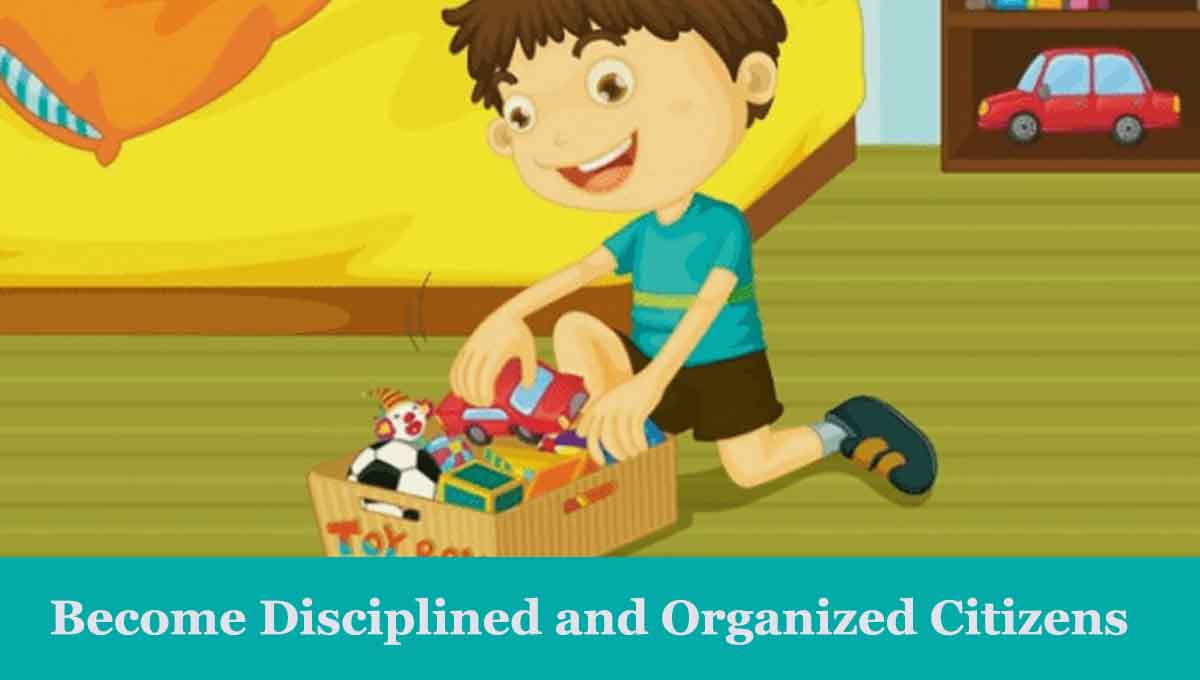
Discipline that is a problem in every educational institution is catered to effectively in Montessori institutions. The Montessori teacher believes that discipline does not have to be enforced. They believe that real freedom comes through freedom. Freedom and discipline are two sides of the same coin. Montessori students are trained in such a way that they manage their individual lives, their manner of speaking, handling materials, interacting with other children, and moving orderly in the room.
Students show a sense of responsibility towards themselves and the environment. Above all, they show independence, control of errors, and love of silence. They don’t need to be supervised, like if facilitators or teachers are around them or not.
They will work with discipline and organized manners because discipline is developed within children. All of them know what the requirements of the class are, what it means to be a part of the community, and what their responsibility is. So at an early age, if these skills are developed in children, then it will help them in their future.
Become an Independent and responsible Person of Community
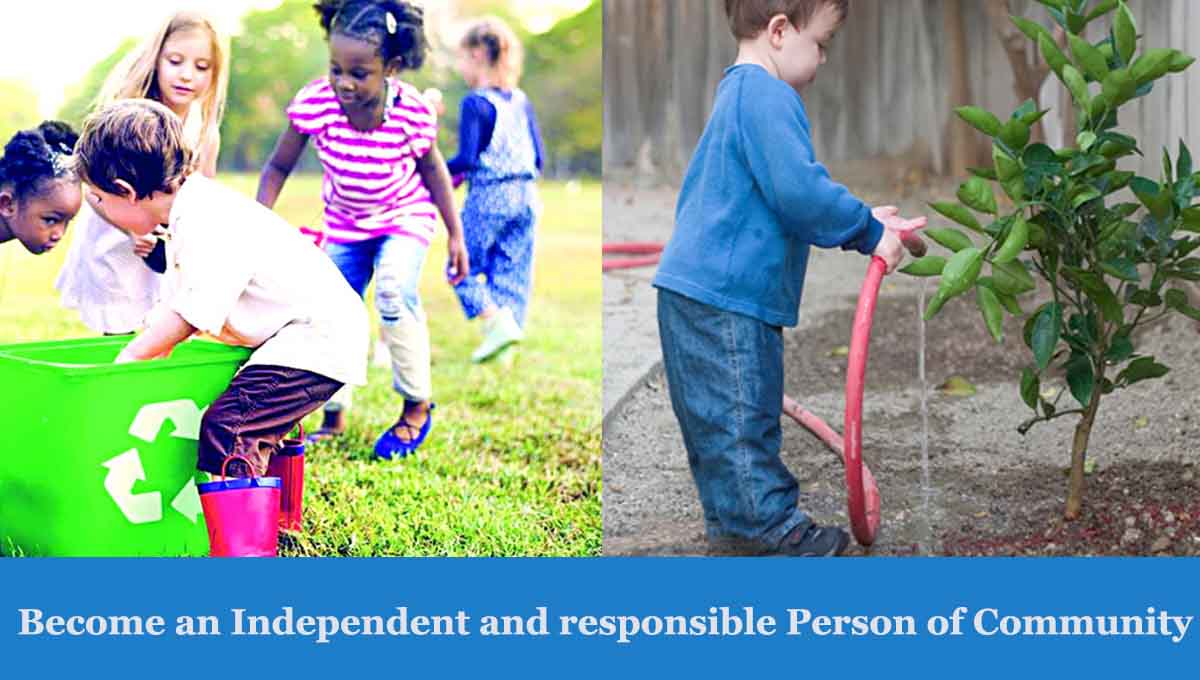
Normally we see that young children want to do their work by themselves. They want to clean the room, wear a dress, take a bath, serve a meal, work in the kitchen, etc. They always try to do all tasks by themselves, but being adults, we stop them. Because we think that they can do these tasks correctly and properly and we don’t give them opportunities. In this children start to depend on adults and always hesitate to complete tasks independently. They started to believe that we cannot do this. Or if I do, I’ll make a mistake.
But in Montessori education, priority is given to students’ independence. This is not like a typical classroom where only stationary is provided or different puzzles. This is like a mini house where all kitchen items, cleaning items, gardening items, washing clothes items, lacing frames, and button frames are given. All items are in child size. They serve their food by themselves; wash their stencils using brooms and dustpans; clean the room by dusting; lace their shoes; close their buttons; iron their clothes and hang them properly; grow plants; take care of plants; comb hair; wash hands and face; brush teeth; and arrange materials in their places after using things.
We can say children are owners of Montessori homes. This is their home where they are like family members. They are responsible for what they do. They become an independent child.
Become Problem Solvers
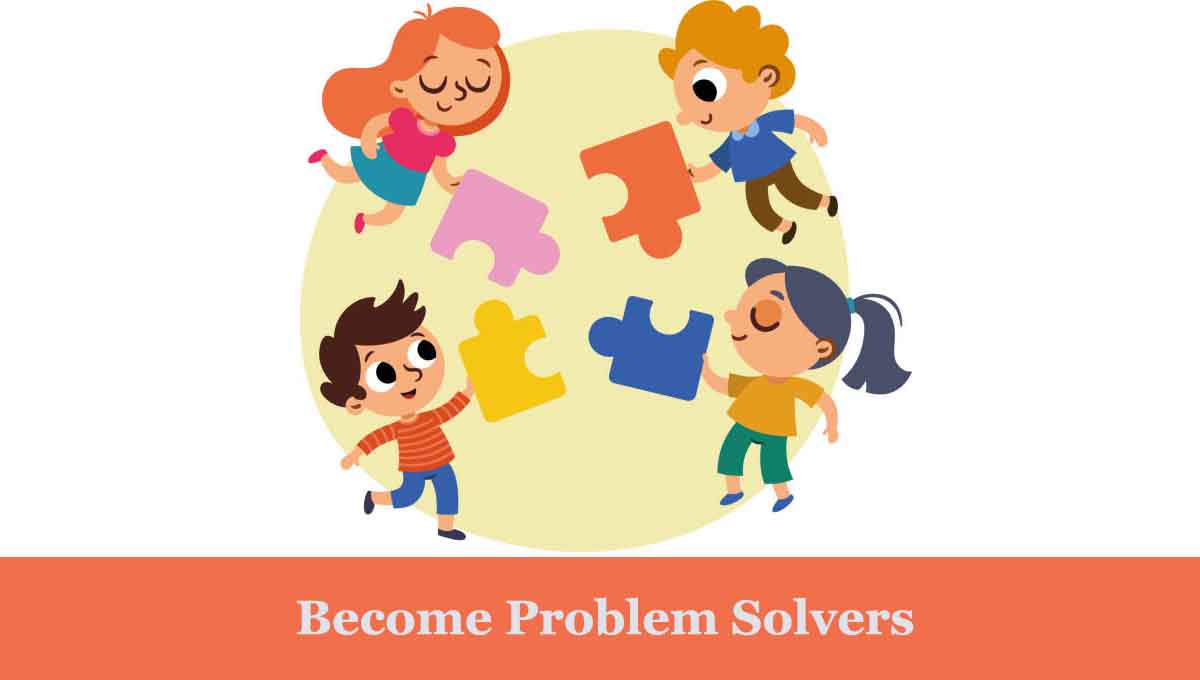
Being a parent, we try and wish that our child should get an A+ grade in studies. Their children cram the books and get knowledge. But they don’t know how to utilize knowledge in practical life. If we focus on problem-solving skills at an early age, it has long-term effects on their future.
So in Montessori classrooms, extensive problem-solving opportunities are given to children, like completing puzzles, arranging blocks of different sizes in sequence, and placing long rods and broad stairs properly.
Montessori material is manufactured in such a way that if children place a wrong puzzle piece, their picture will not complete unless they place the correct piece. All materials have control of error.
With such Montessori activities, students try to think from different angles and try to solve the problem. They make efforts, and when they find the solution, they feel a sense of achievement. Children never become worried if they are stuck anywhere. They don’t give up. Always try to find a solution instead of giving up. They like to accept challenges. It becomes their habit and will be polished with age.
Become a cooperative citizen.
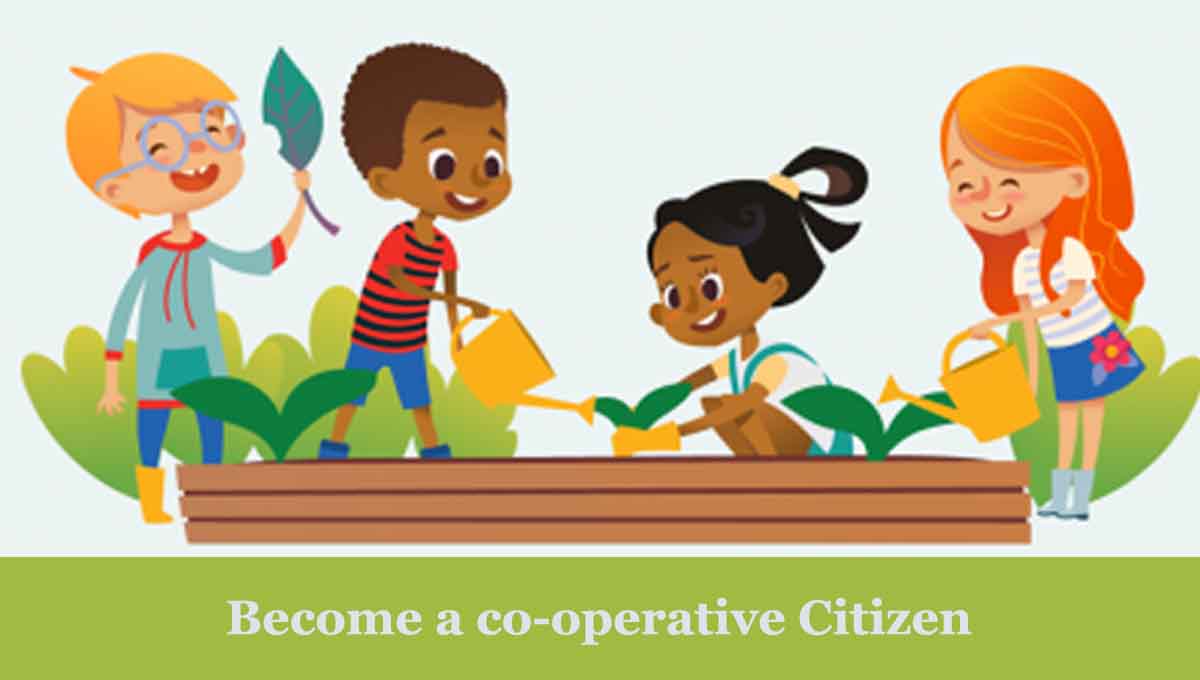
Values are focused in all aspects. Extensive use of courtesy words polishes the whole personality of a child. Most of the time they work together. They are taught how to wait for their turn, how to share things, how to respect others, and how to give value to others’ opinions.
Become a creative and Critical thinker
Cramming and copy-pasting is not appreciated in Montessori education. Firstly, we give concrete experiences, like they can feel numbers, alphabets, and objects. Real things are used so that they could realize that these are part of their lives. They try to experience and create their own knowledge.
Such children who learn by doing and experiencing become creative. They start thinking critically and always ask for reasoning. They will always be in search of new things. Explore the world according to their interests independently.
Become a Good Decision Maker: Freedom of Choice
One of the most important benefits of Montessori education is that it permits children to study at their very own tempo. In a Montessori school room, children are free to pick which activities they need to interact in and are not restricted by using conventional notions of grade-stage or age-level appropriateness. Which means that youngsters can examine at their personal pace and aren’t held back by means of their friends or with the aid of the trainer.
Freedom of choices is given to children in Montessori education. We believe that young children have their inner urges that follow them to develop accordingly. According to their strong urge, they will experience things and learn automatically.
For this purpose, different types of material are placed in wooden racks. Students choose material according to their interest and enjoy the learning process.
Through freedom of choice, they become a good decision-maker for what is beneficial for them. They can explore themselves.
Experimental Learning: Long-Term Effects of Montessori Education
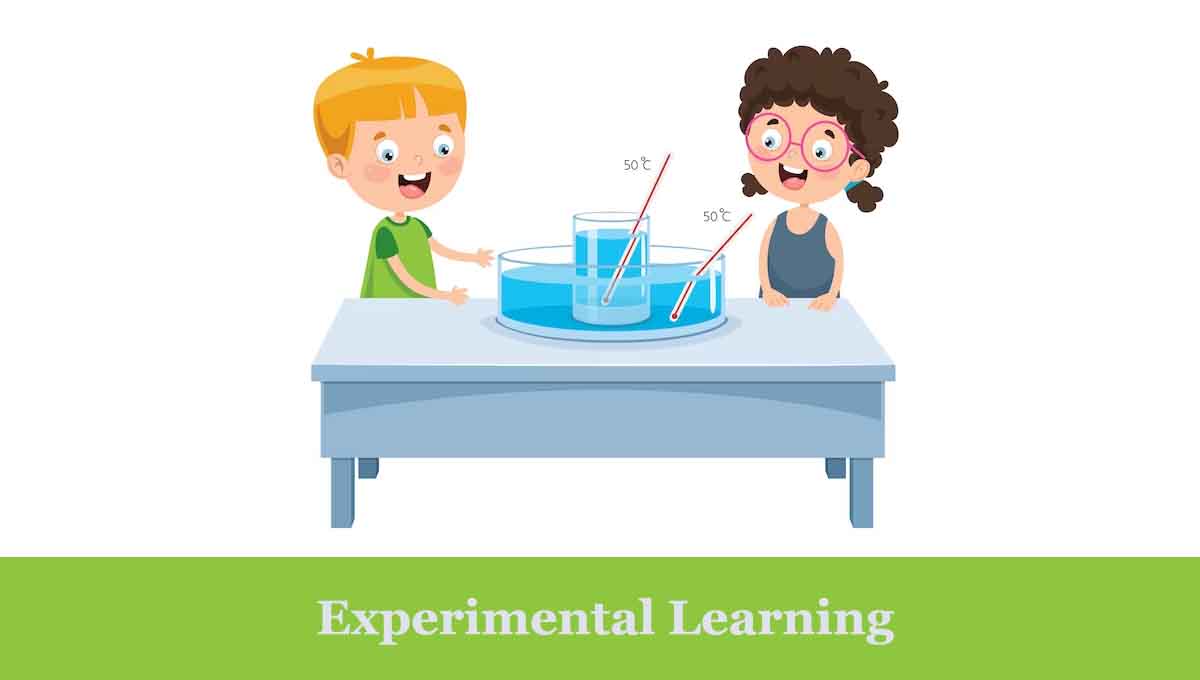
Some other benefits and long-term effects of Montessori education are that it emphasizes hands-on, experiential learning. Kids in a Montessori class room are encouraged to explore their surroundings and to engage with materials in a hands-on way. This permits them to research through direct experience, which may be more powerful than learning through more traditional methods like lectures or textbooks.
Montessori education is that it emphasizes hands-on, experiential gaining of knowledge. Kids in a Montessori lecture room are encouraged to discover their environment and to interact with substances in a hands-on manner. This allows them to research via direct enjoyment, which can be more powerful than learning through more traditional strategies like lectures or textbook studying.
Become Coordinated and Controlled Citizens
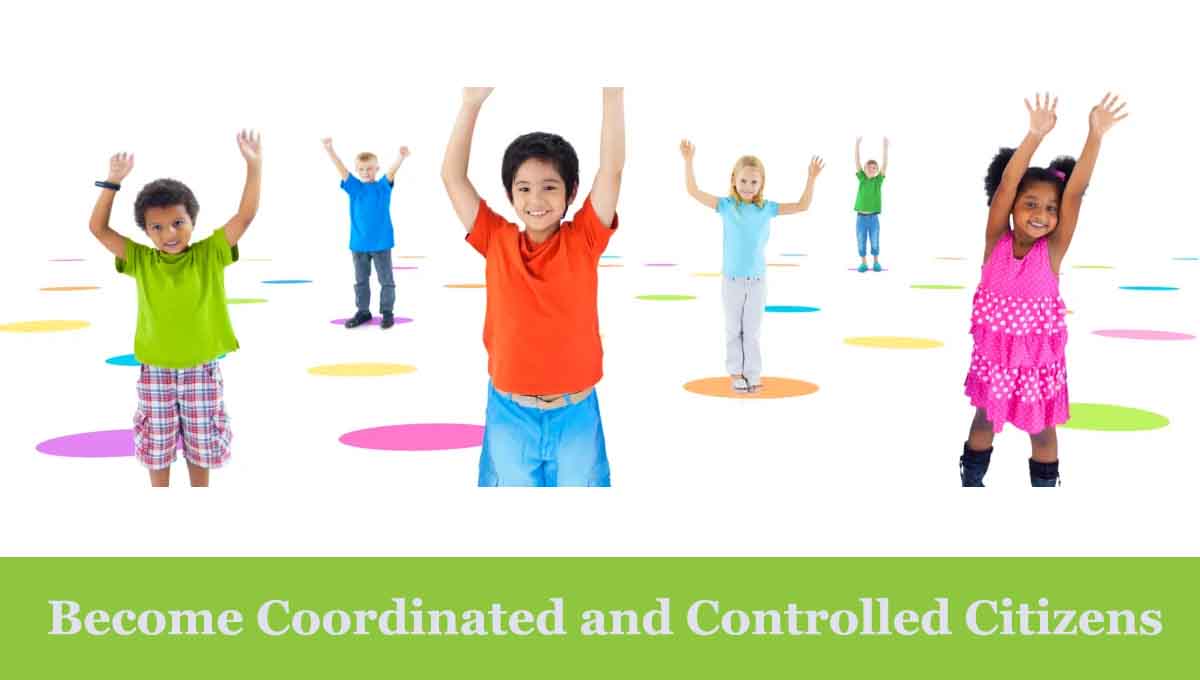
Different Montessori activities and materials are planned for the physical development of students, which develop hand-eye coordination and their gross motor and fine motor skills. Random movements become coordinated and controlled: grasping, touching, turning, balancing, crawling, and walking
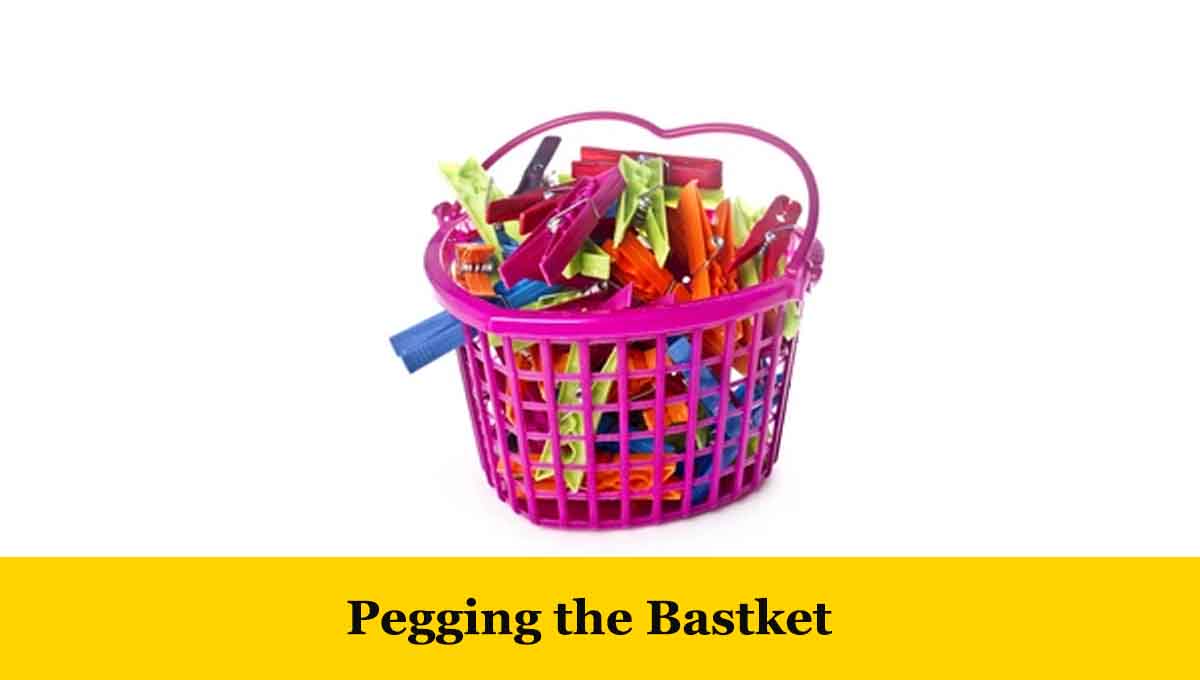
Pegging the basket
Students use their hand muscles for pegging the basket. Their hand and eye coordination is polished.
Pouring Water: Long-Term Effects of Montessori Education
They pour water from the jug into glasses.

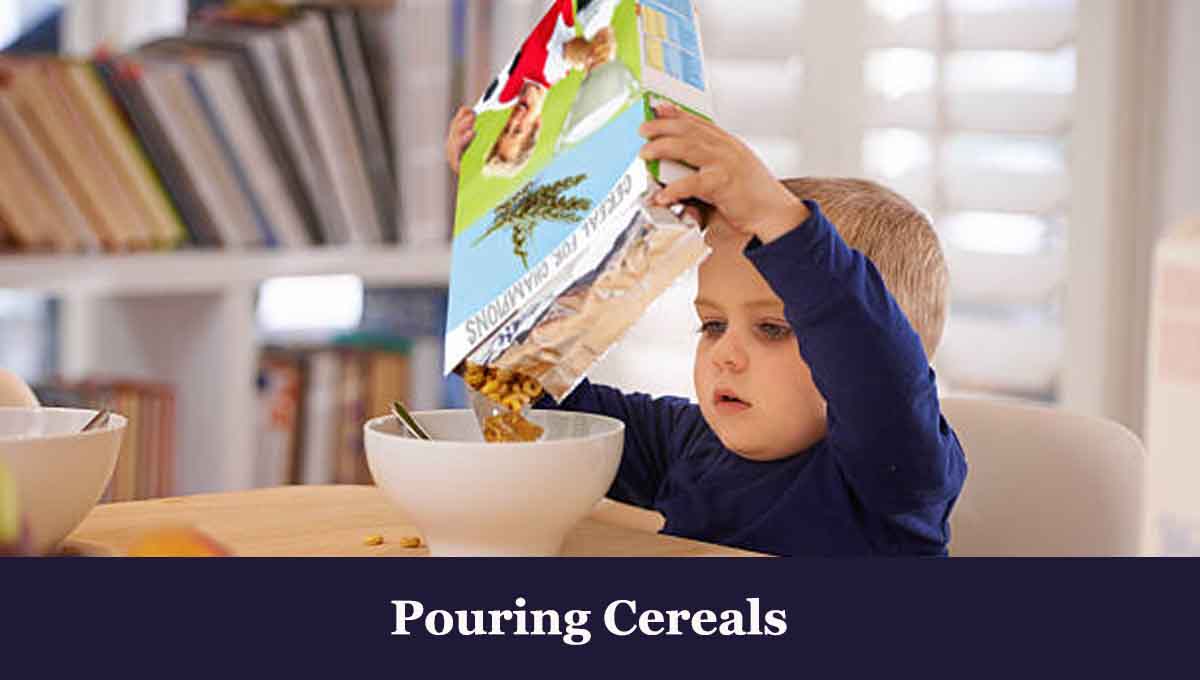
Pouring Cereals: Long-Term Effects of Montessori Education
They pour cereals into cups.
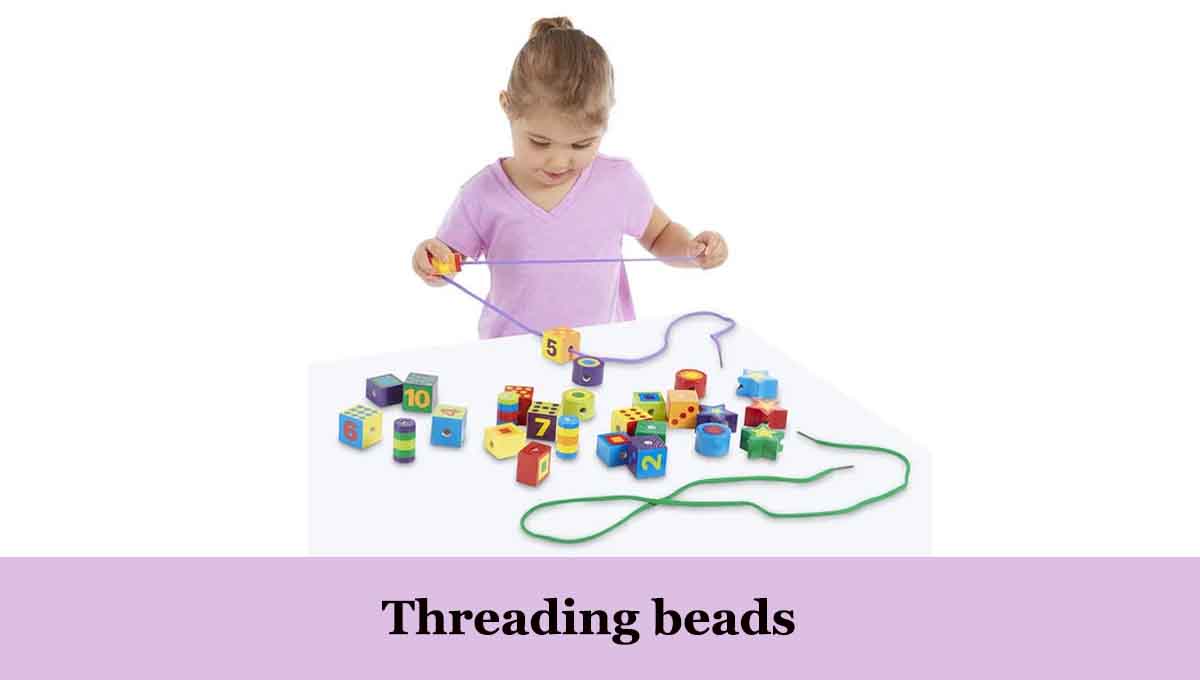
Threading beads
They thread beads of different sizes.
Squeezing Water: Long-Term Effects of Montessori Education
They squeeze water in the tub.

Walk on line: Long-Term Effects of Montessori Education
Students walk on a line. They learn balance and control.
Using knobs of puzzles: They hold knobbed puzzles and place them accordingly.
One of the very important benefits and long-term effects of any Montessori environment is that learning takes place according to the age of the child rather than a class or a grade. Students of 2, 3, and 4 years old work together; it is called a mixed-age group. Many researchers proved that plants, animals, or human life cannot exist without others. This interdependence can be more effective when there is plenty of opportunity to give and take. Give and take is not possible if all the students of the Montessori class have the same need in the same measure at the same time.
Long-Term Effects of Montessori Education
When Montessori class has a mixed-age group, then older children offer help to younger children. In this way they become better and strong individuals. On the other side, younger students begin to receive help gracefully. So this interaction develops social cohesion.
Adults who are working within the Montessori class are called facilitators/directresses, not teachers. She arranges Montessori material according to the level of the students in racks and allows them to explore it and work with the material of their choice. She demonstrates at the same time how to use that specific material individually after taking the child’s permission. In this way, a directress creates healthy, happy children who are flexible, normal, and stable and equipped with advanced skills in writing, reading, problem-solving, and creativity.
In short, Montessori education makes a child a coordinated and controlled citizen, a disciplined and organized citizen, an independent and responsible person in the community, a problem solver, a creative and critical thinker, and a good decision maker. If all these factors are catered to at an early age during the sensitive period (0 to 6 years), then the rest of life will be developed on this foundation. Such individuals will be a helpful citizen of society.
Also Read

